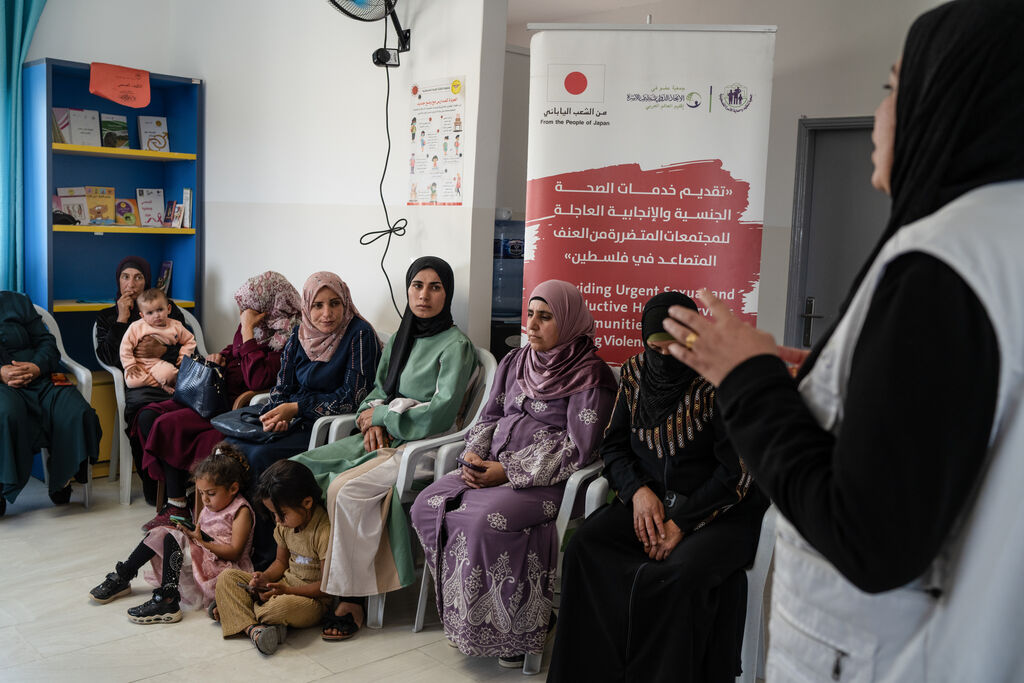
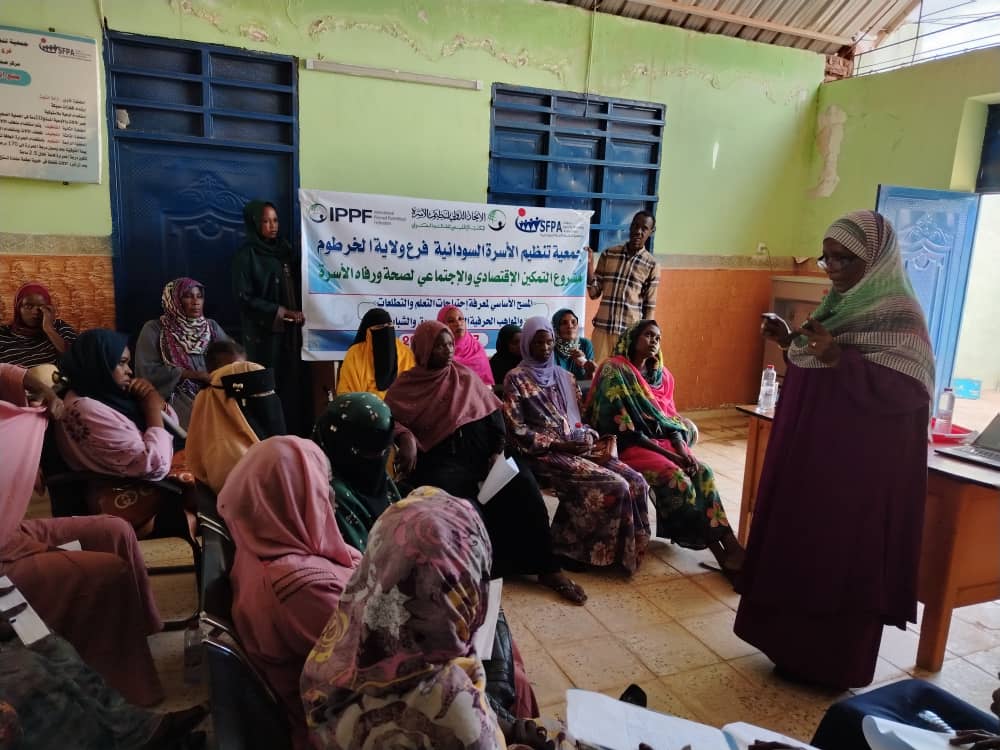
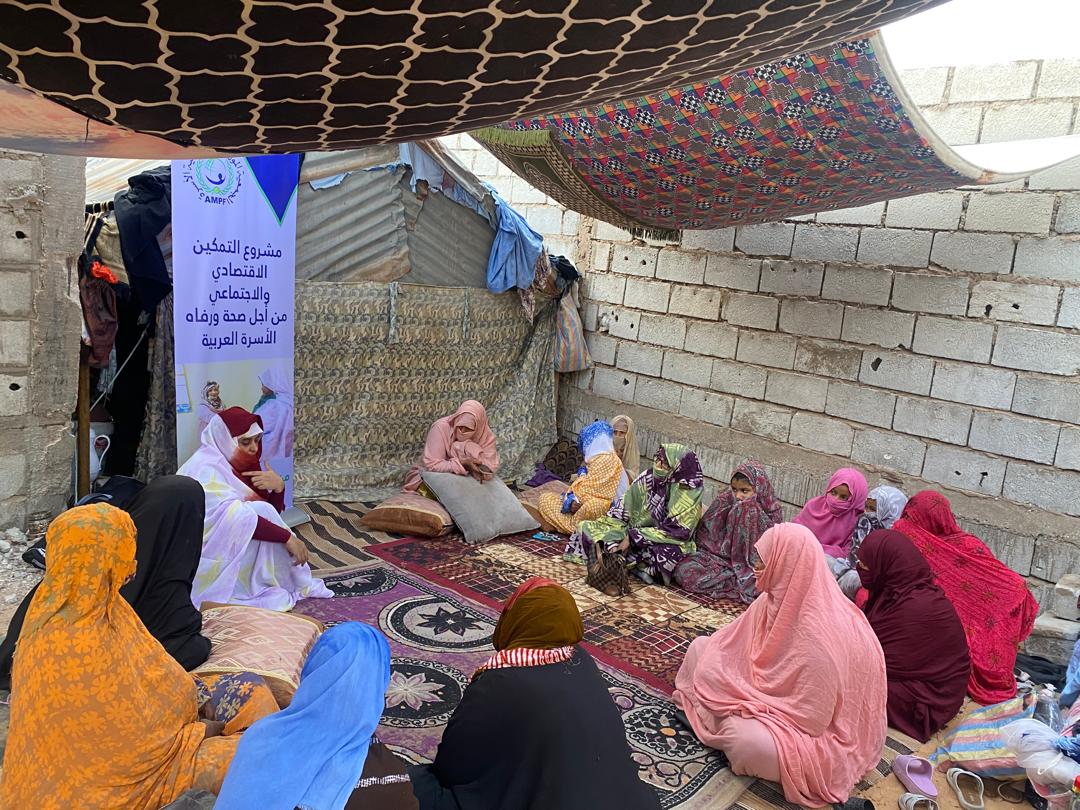
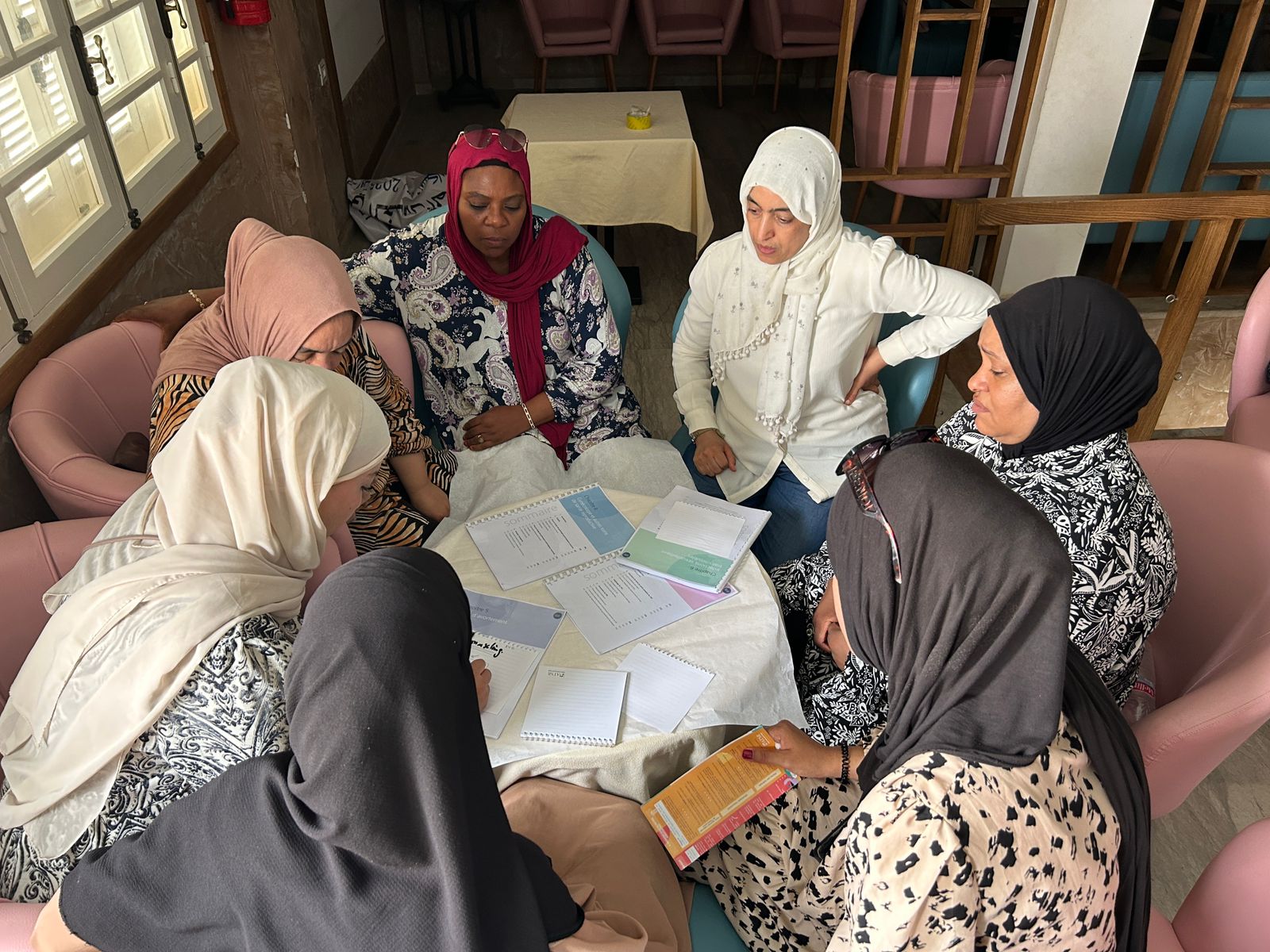
Across Africa, migration is not a series of isolated movements from one country to another, but a continuous journey shaped by uncertainty, resilience, and survival. People move across borders in search of safety, opportunity, or stability, often navigating fragile environments where access to essential services is inconsistent or entirely absent. In response to this reality, the Arab African Consortium led by the Moroccan Family Planning Association (AMPF) brings together a powerful regional alliance committed to ensuring that health and dignity travel with people wherever they go.
Uniting Member Associations (MAs) from Morocco, Tunisia, Mauritania, Sudan, Niger, Cameroon, Ethiopia, and Nigeria, the consortium reflects the true geography of migration routes across the continent. These countries are deeply interconnected through corridors where individuals move, pause, settle temporarily, or are forced to remain. Yet while migration itself is fluid, access to healthcare, especially sexual and reproductive health and rights (SRHR), remains fragmented.
The initiative addresses this disconnect by building a coordinated, cross-border response that ensures continuity of care along the entire journey.
In this context, the Moroccan Family Planning Association, as lead of the consortium, convened a strategic inter-country workshop on April 8 and 9, 2026, in Rabat. The meeting brought together IPPF Member Associations (MAs) from all eight participating countries, creating a shared space for dialogue, reflection, and alignment. More than a routine gathering, it served as a critical milestone in strengthening regional collaboration. It provided an opportunity to harmonize approaches, reinforce coordination mechanisms, and advance joint actions aimed at improving access to sexual and reproductive health and rights services for people on the move.
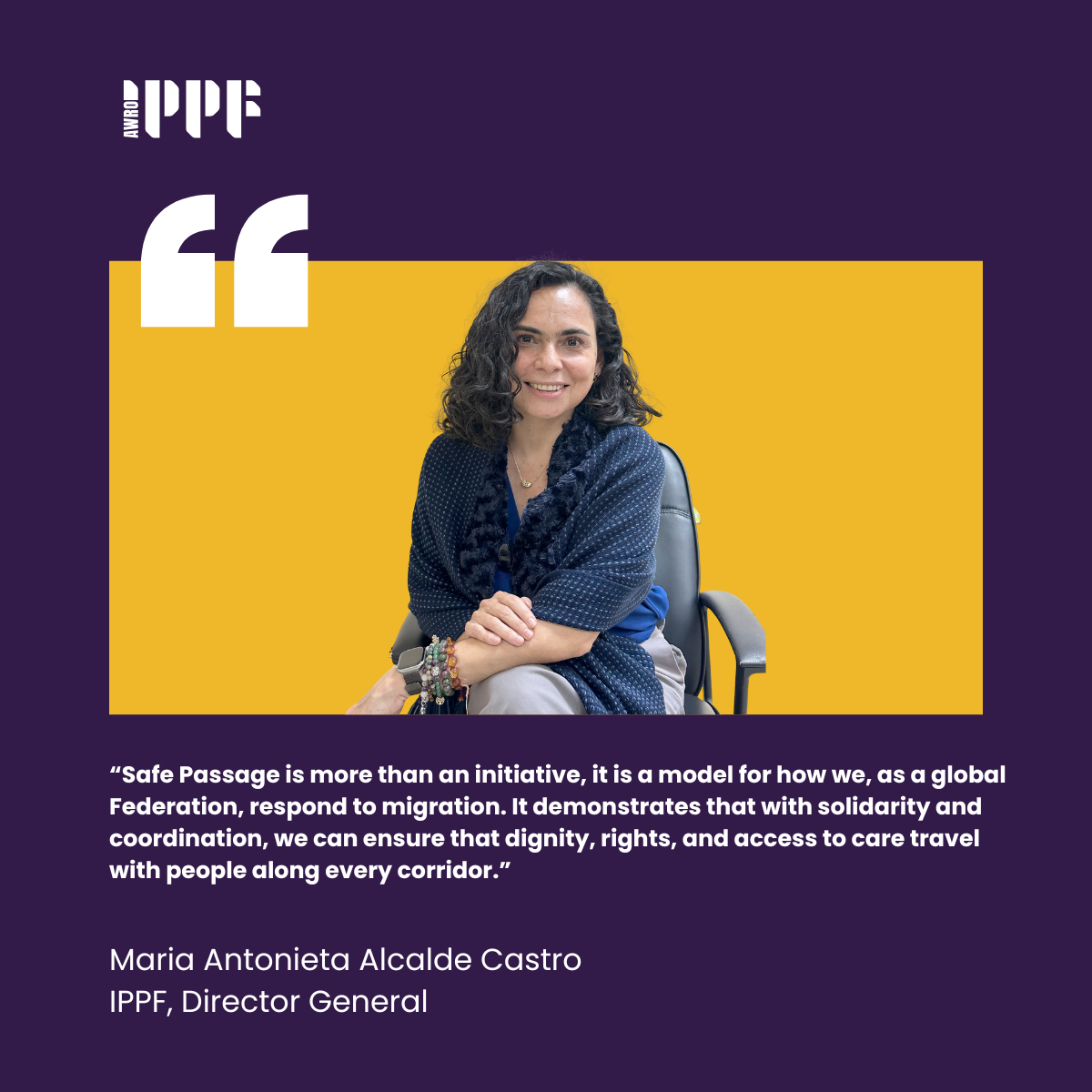
The meeting was further reinforced by the presence of Maria Antonieta Alcalde Castro, Director-General of IPPF, highlighting strong leadership commitment to regional solidarity and cross-border action.
During her visit, she emphasized: “Safe Passage is more than an initiative, it is a model for how we, as a global Federation, respond to migration. It demonstrates that with solidarity and coordination, we can ensure that dignity, rights, and access to care travel with people along every corridor. "
She also reaffirmed IPPF’s commitment to supporting Member Associations in the region through closer collaboration, strategic alignment, and sustained investment in youth-centered, rights-based programming. Her visit provided an important opportunity for direct engagement with regional teams, reinforcing the importance of collective action, shared learning, and coordinated advocacy across countries.
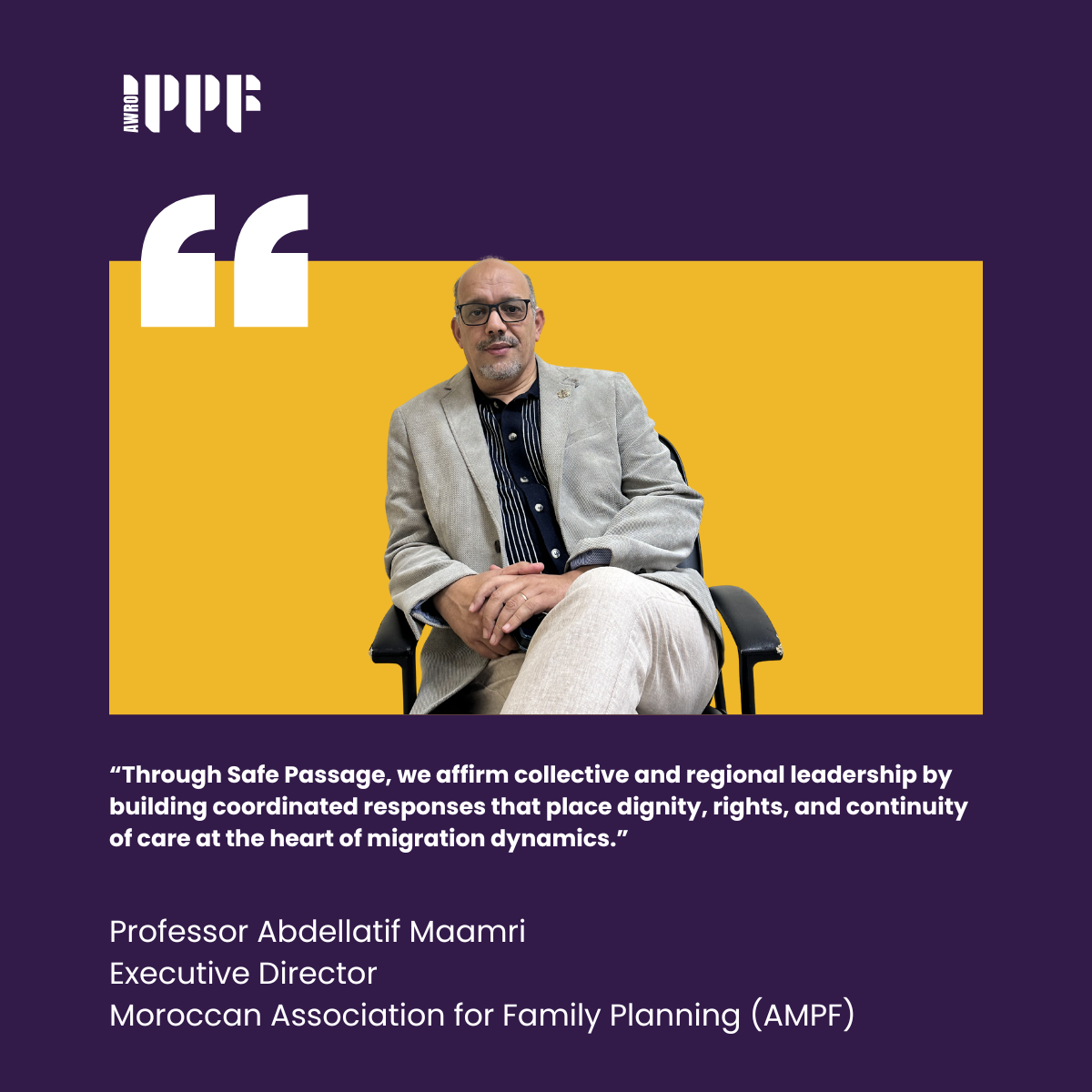
Setting the tone for this collective effort, Pr Maâmar Abdellatif, Executive Director of AMPF Morocco, emphasized the importance of regional leadership and shared responsibility: “Through this initiative, we affirm a collective and regional leadership, building coordinated responses that place dignity, rights, and continuity of care at the heart of migration dynamics.”
Migration across these regions is driven by complex and overlapping factors. In countries such as Nigeria and Ethiopia, many young people leave in search of economic opportunity or safety, often without adequate information about the risks ahead. In Niger and Sudan, migration routes cut through highly fragile environments where services are scarce and exposure to violence, trafficking, and exploitation is particularly high.
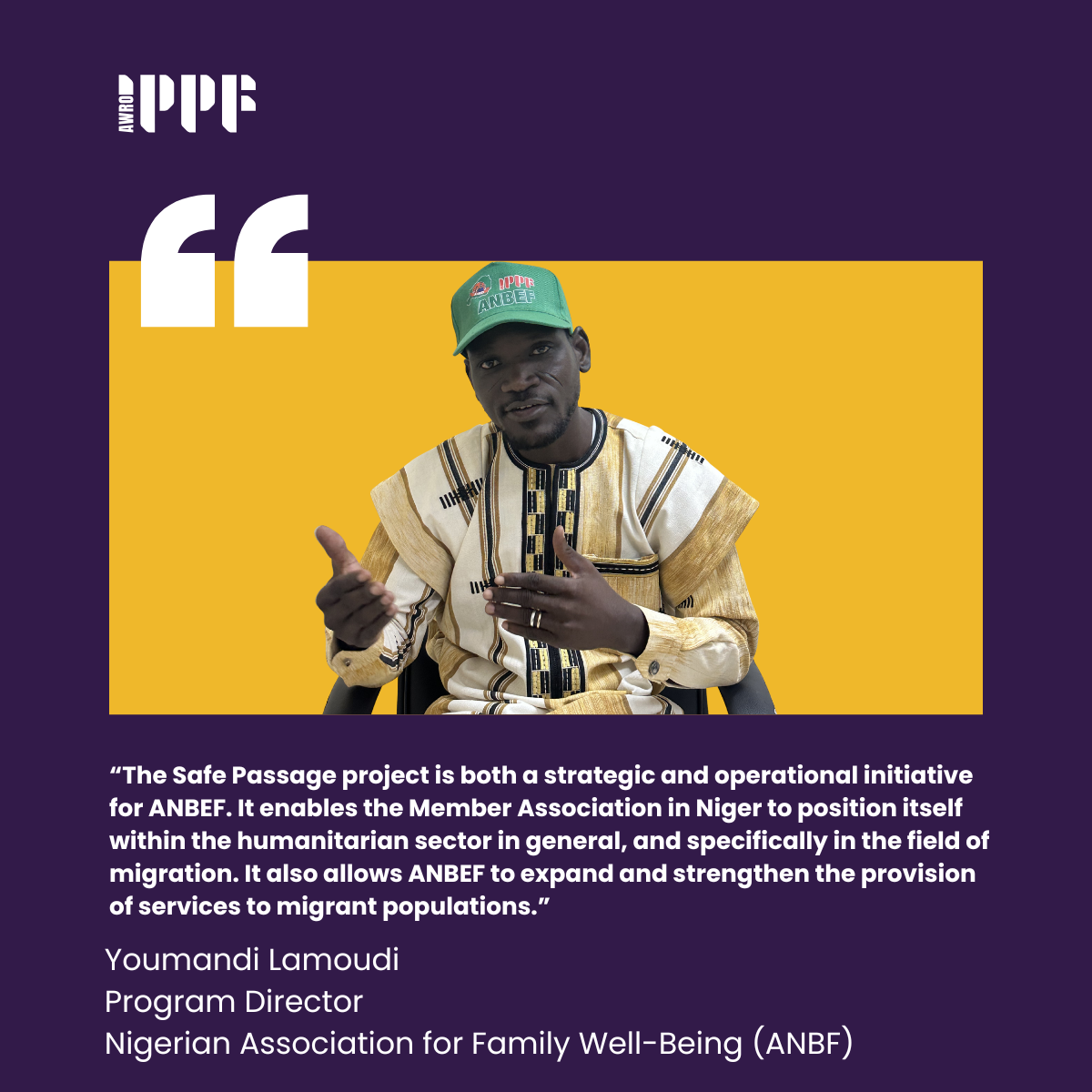
Highlighting both the urgency and the opportunity, Lamoudi Youmandi, Program Director at ANBF Niger, notes :“The initiative is both strategic and operational. It enables our organization to position itself within the humanitarian field, particularly in migration, while strengthening the delivery of services to migrant populations.”
Further north, countries like Morocco, Tunisia, and Mauritania are no longer simply transit points but are increasingly spaces of prolonged stay where migrants face administrative barriers, uncertain legal status, and limited access to essential services. These evolving realities require constant adaptation of responses on the ground.
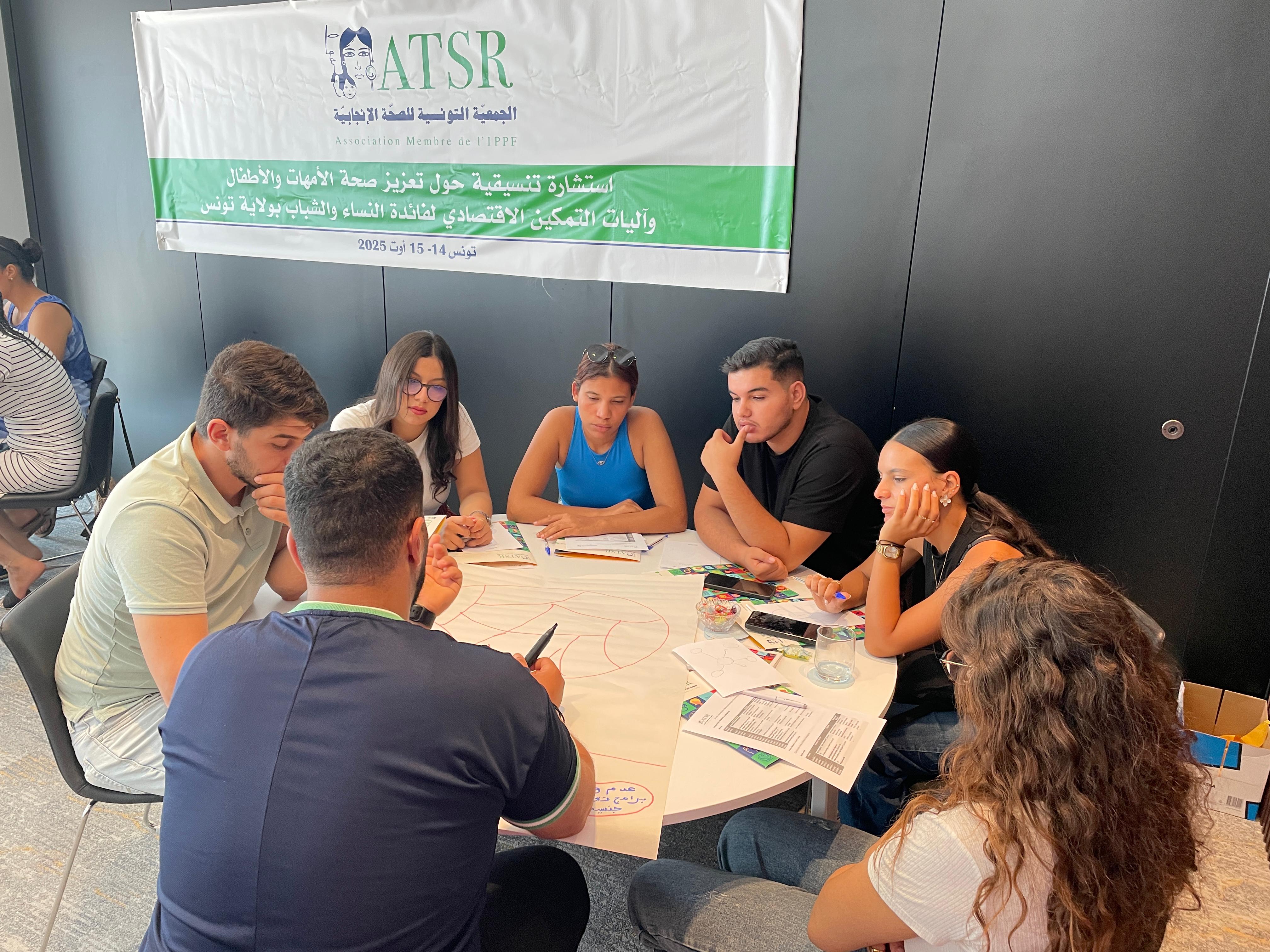
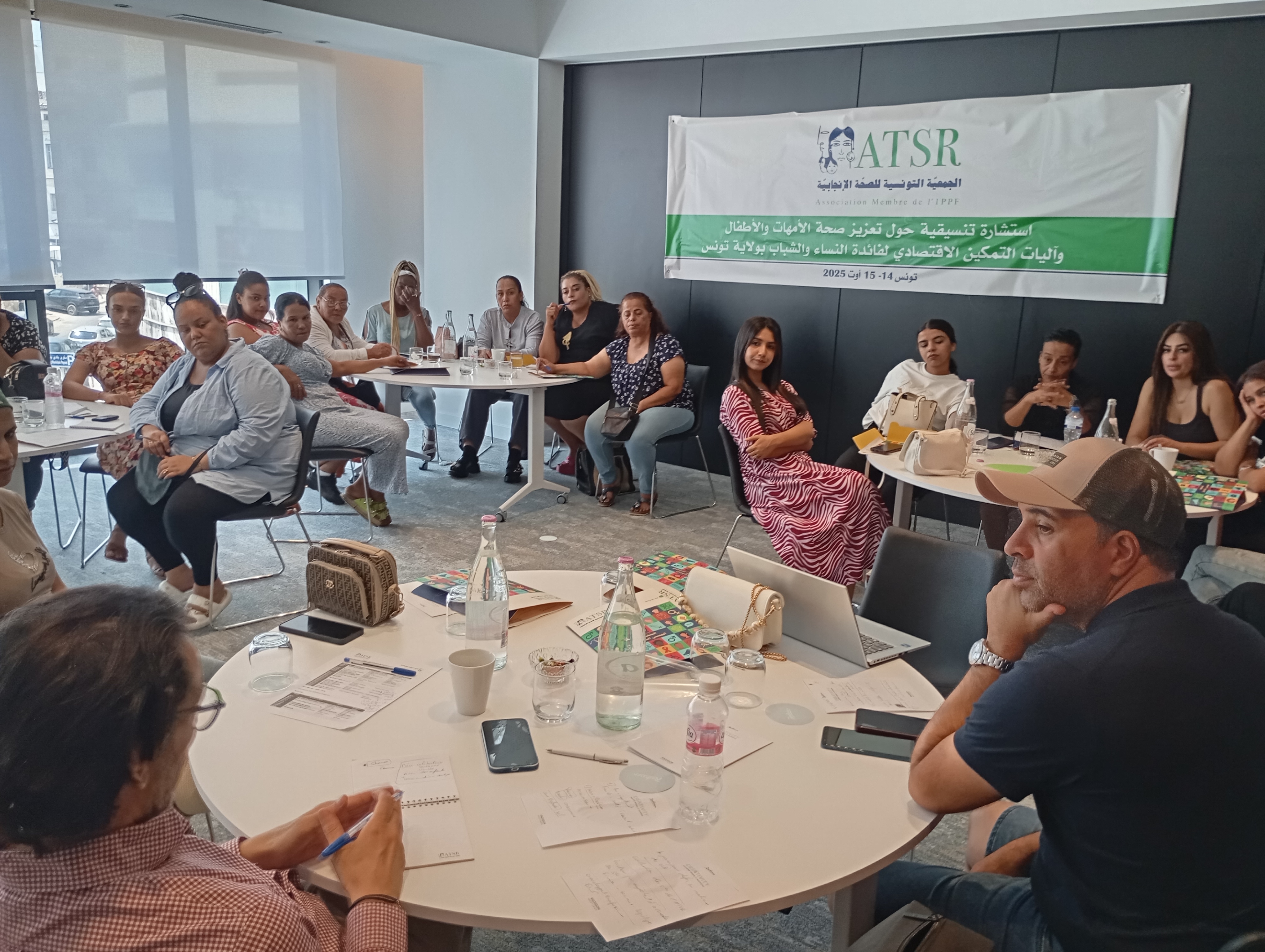
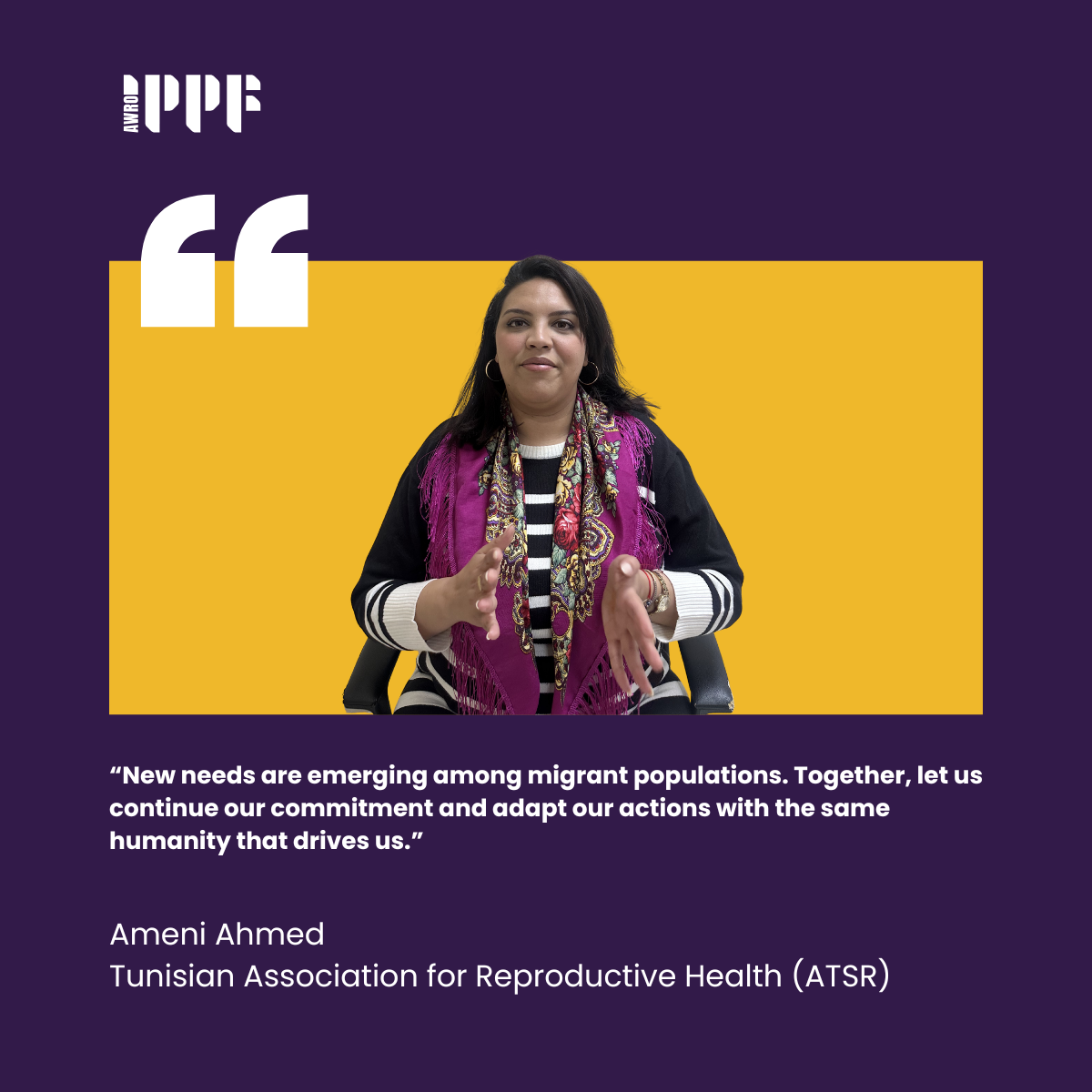
As Ameni Ahmed from ATSR Tunisia explains:“New needs are emerging among migrant populations. Together, let us continue our commitment and adapt our actions with the same humanity that drives us.”
In Cameroon, layered crises including internal displacement and cross-border movement create additional pressures on already stretched systems, making it essential to connect humanitarian action with long-term policy change.
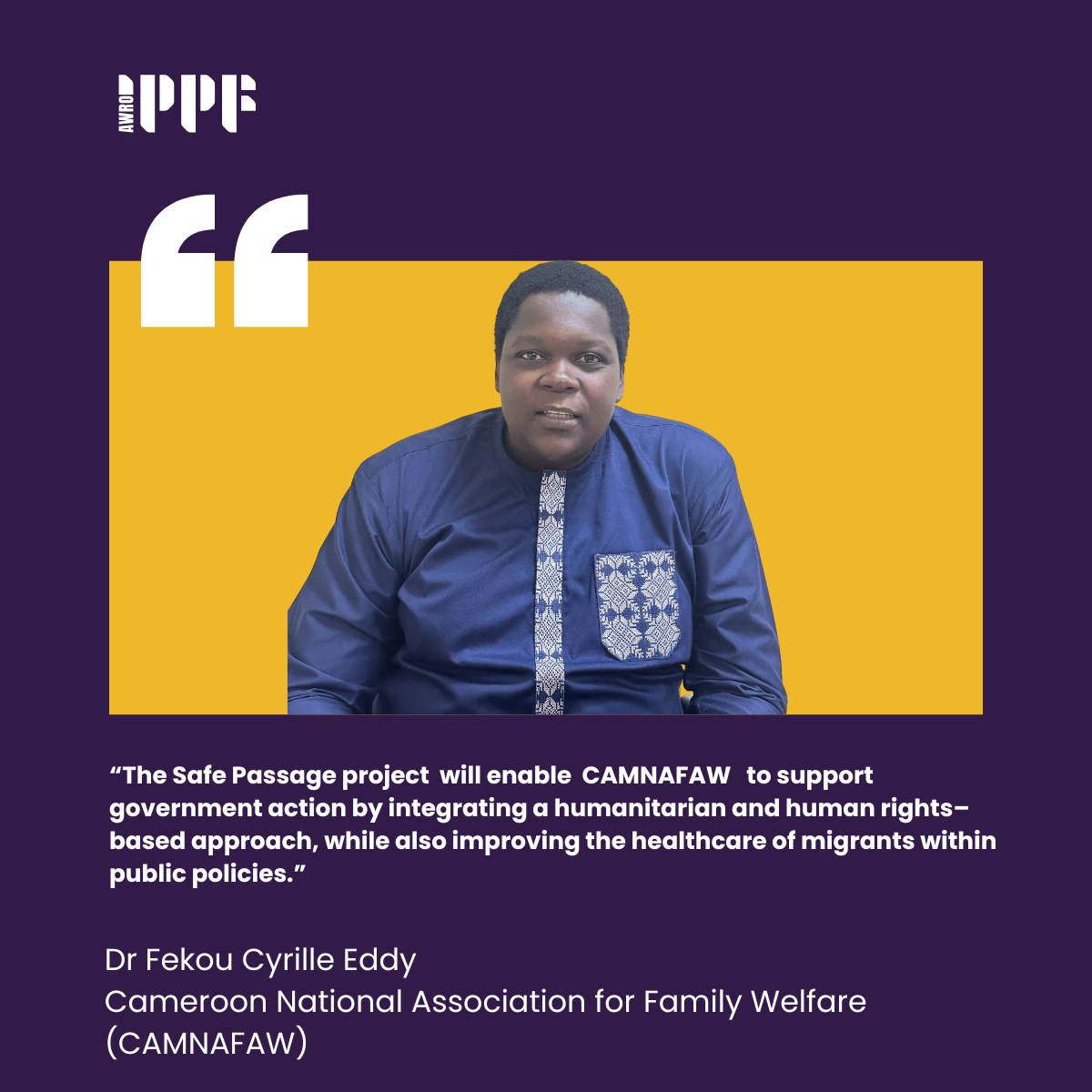
This is reflected in the perspective of Dr Fekou Cyrille Eddy of CAMNAFAW: “The initiative will support government action by integrating a humanitarian and human rights-based approach, while improving healthcare provision for migrants within public policies.”
At this point in the regional reflection, the Sudanese perspective further underscores the importance of continuity of care in fragile contexts.
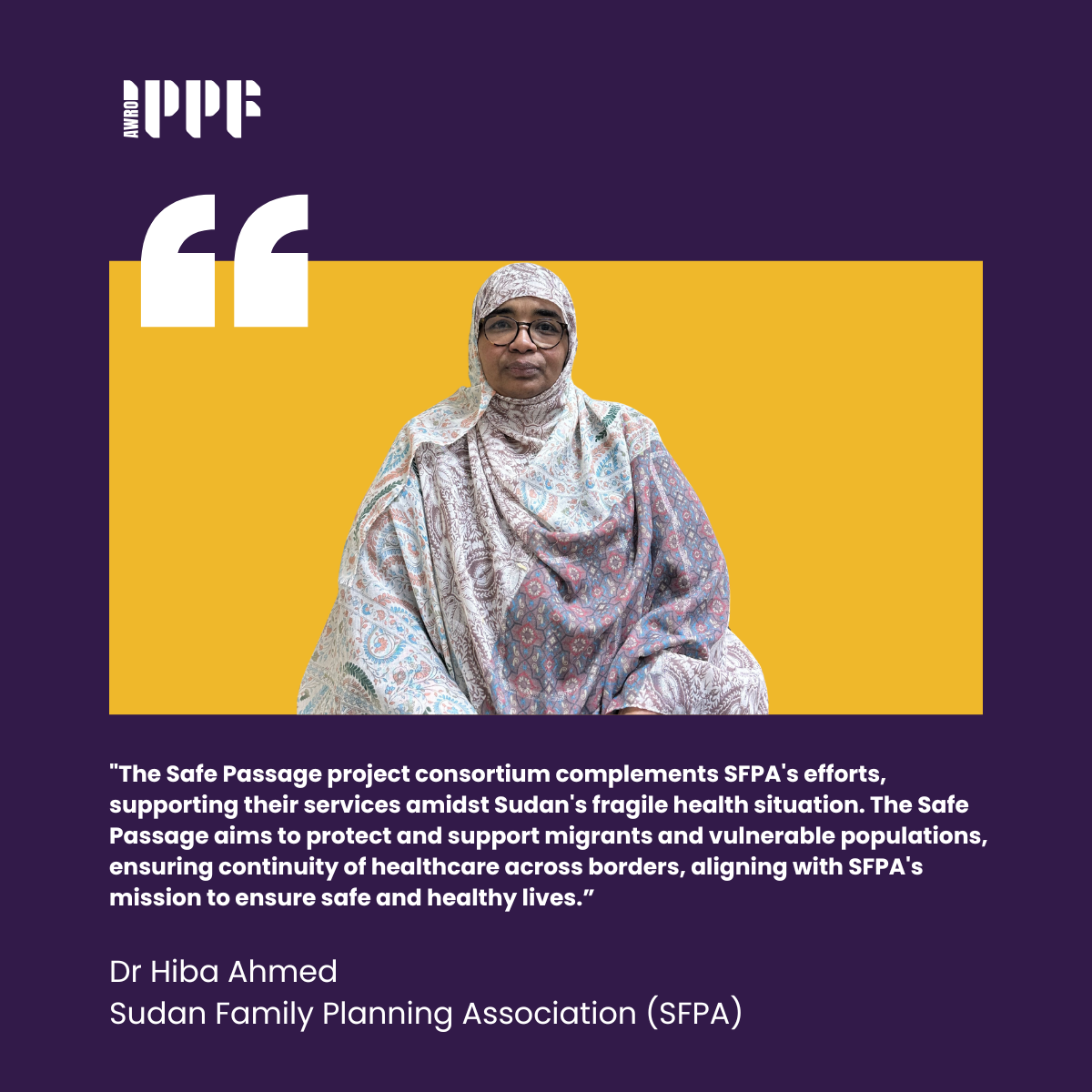
As stated by Dr. Hiba Ahmed, SFPA Sudan:“The consortium complements SFPA’s efforts, supporting their services amidst Sudan’s fragile health situation. It aims to protect and support migrants and vulnerable populations, ensuring continuity of healthcare across borders, aligning with SFPA’s mission to ensure safe and healthy lives.”
For migrants, the journey is continuous, but systems of care are not. Access to family planning, maternal health services, and HIV prevention can disappear within a matter of kilometers or at the crossing of a border. Women, girls, young people, and marginalized groups are disproportionately affected, facing both structural barriers to care and heightened risks of sexual and gender-based violence.
Beyond service delivery, the initiative also challenges perceptions and narratives surrounding migration, particularly in countries of transit and destination.
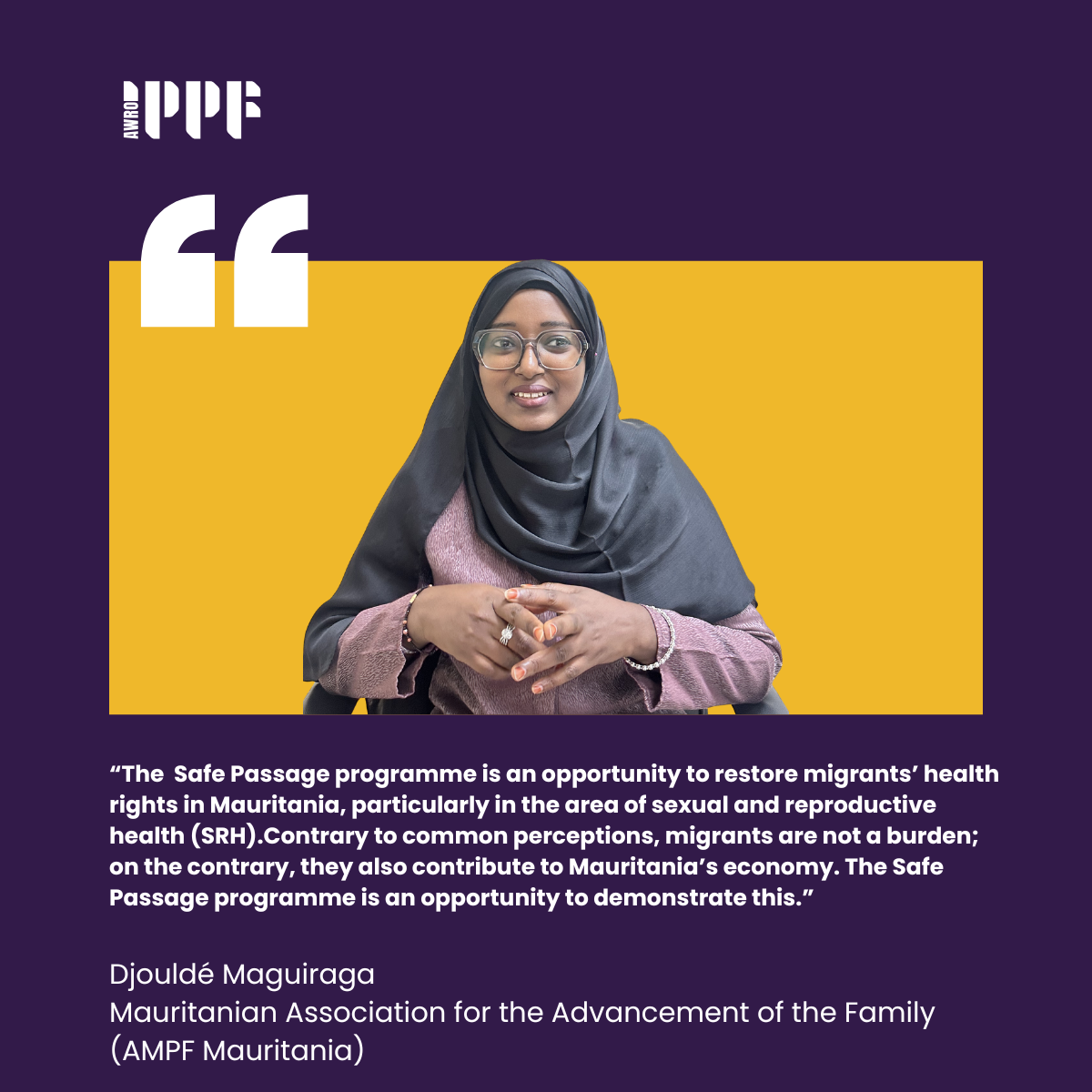
As Djouldé Maguiraga from AMPF Mauritania emphasizes:“Contrary to common belief, migrants are not a burden.
On the contrary, they contribute to the economy, and this program is an opportunity to demonstrate that reality.”
At the community level, its impact is tangible, helping ensure that migrants can access care safely and with dignity throughout their journey.
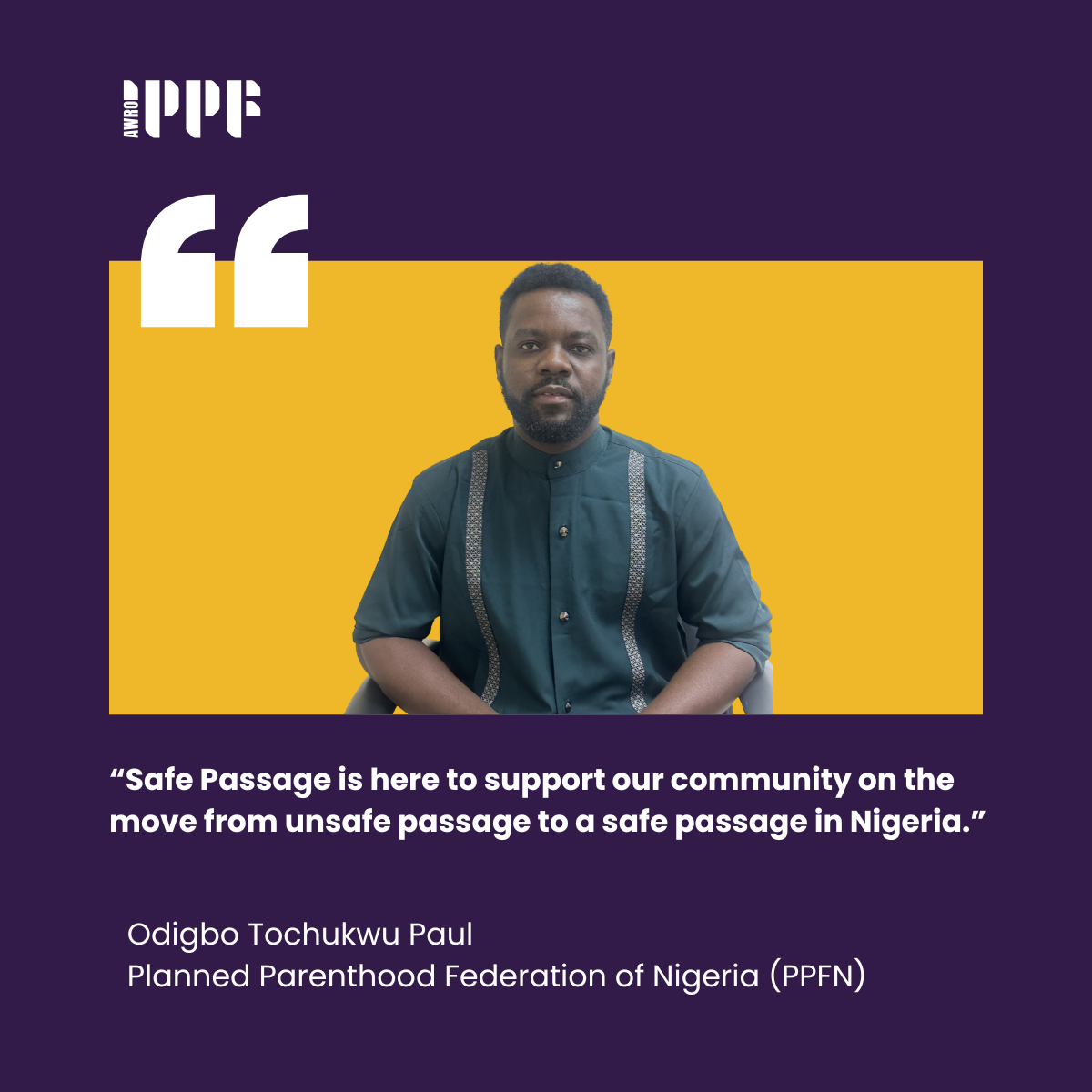
In the words of Odigbo Tochukwu Paul from Nigeria:“This initiative is here to support our communities on the move, transforming unsafe journeys into safe ones.”
Ultimately, it is rooted in a broader vision of inclusion, protection, and shared humanity—one that extends beyond borders and systems.
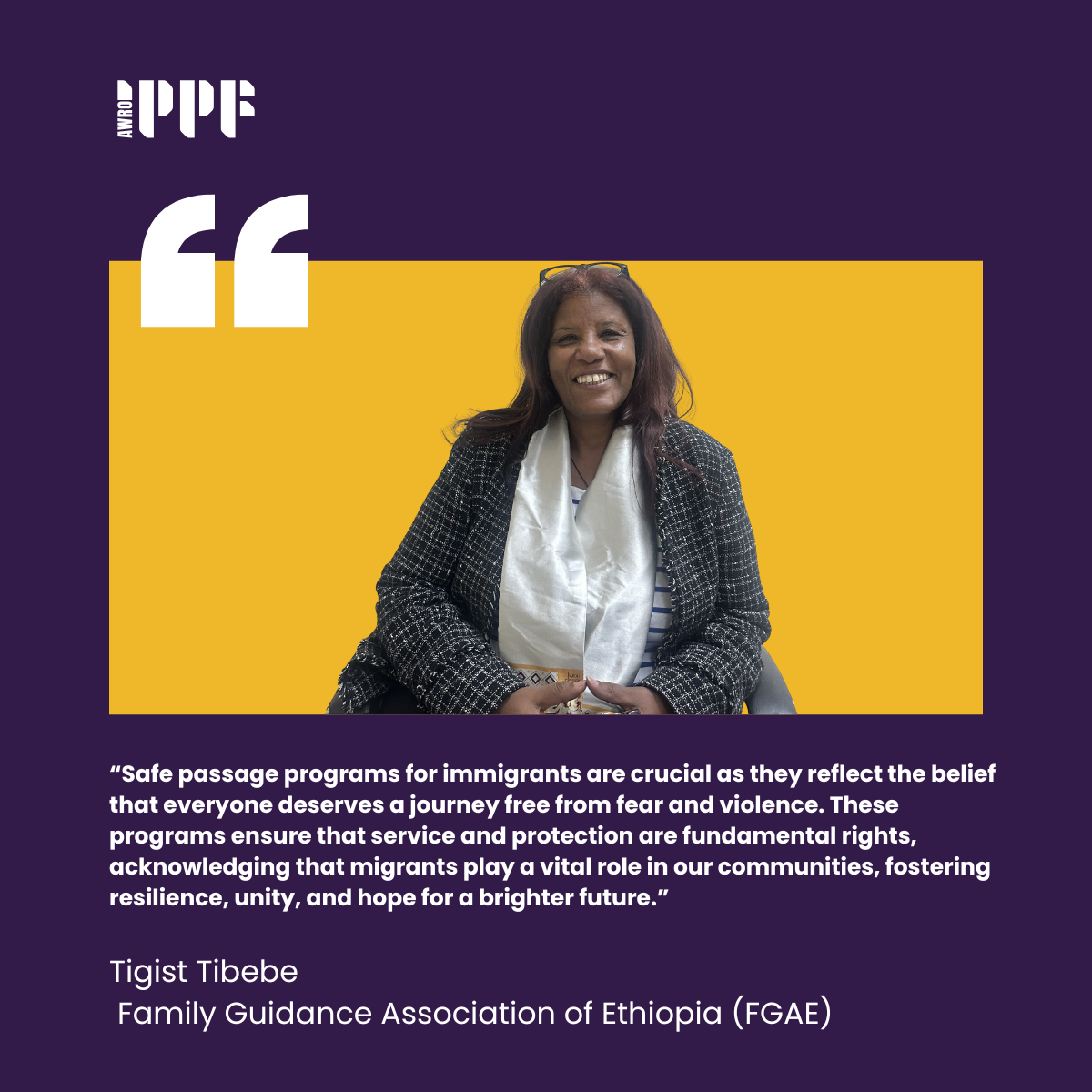
As Tigist Tibebe of FGAE Ethiopia concludes:“Such programs reflect the belief that everyone deserves a journey free from fear and violence. They recognize migrants as vital contributors to our communities, fostering resilience, unity, and hope.”
What makes this effort particularly powerful is its ability to connect voices and actions across countries. By aligning approaches, sharing tools, and building on each partner’s strengths, the consortium creates a unified response to what is inherently a transnational reality. This not only improves immediate service delivery but also contributes to strengthening national systems and fostering long-term regional cooperation.
Ultimately, it represents a shift in how migration is addressed. It moves away from fragmented, reactive responses toward a model that is coordinated, inclusive, and grounded in human rights. It recognizes that access to health, especially sexual and reproductive health, is not a static need. For people on the move, it must be continuous, adaptable, and accessible at every stage of the journey.
In placing dignity, rights, and continuity at its core, this regional effort is not only supporting migrants but also redefining what a truly humane and effective migration response can look like across Africa and the Arab region.