- - -
bank-phrom-Tzm3Oyu_6sk-unsplash

News

Latest news from IPPF

Spotlight

A selection of news from across the Federation

cvc

Tunisia

News item

الاتحاد الدولي لتنظيم الأسرة والصندوق العربي للإنماء الإقتصادي والإجتماعي يحققان نقلة نوعية في التمكين الاقتصادي والاجتماعي للشباب والنساء في العالم العربي

في خطوة رائدة نحو تعزيز التنمية المستدامة في المنطقة، نجحت المبادرة الإقليمية "التمكين الاقتصادي والاجتماعي من أجل صحة ورفاه الأسرة"، التي يقودها الاتحاد الدولي لتنظيم الأسرة – المكتب الإقليمي للعالم العربي، وبدعم وشراكة استراتيجية مع الصندوق العربي للإنماء الاقتصادي والاجتماعي، في إحداث تحول نوعي في حياة آلاف الشباب والنساء والفئات الأكثر هشاشة في تونس، موريتانيا، والسودان.

Filter our news by:

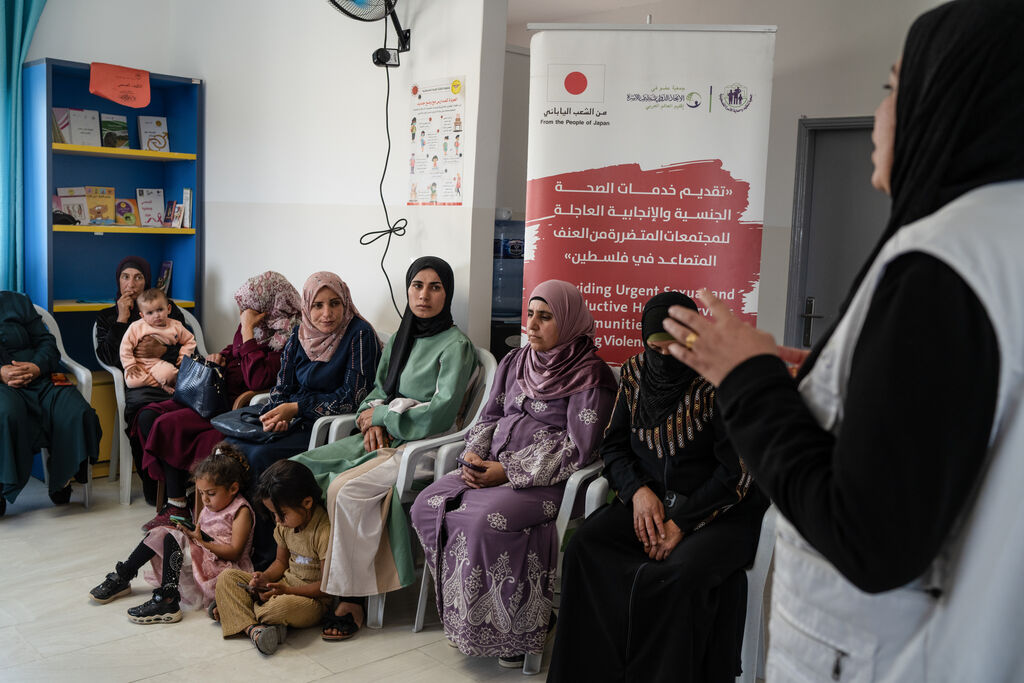
يتعاون الاتحاد الدولي لتنظيم الأسرة مع اليابان في مشروع جديد لدعم خدمات الصحة الجنسية والإنجابية في الضفة الغربية

يسرّ الاتحاد الدولي لتنظيم الأسرة وجمعيته العضو في فلسطين، جمعية تنظيم وحماية الأسرة الفلسطينية (PFPPA)، الإعلان عن إطلاق مشروع جديد ممول من حكومة اليابان بعنوان: "تقديم الخدمات الصحية والطبية للنساء والأطفال المتأثرين بالأزمات في الضفة الغربية."

سيقدّم هذا المشروع خدمات منقذة للحياة تشمل رعاية الأمومة، والدعم النفسي والاجتماعي، وخدمات الصحة الجنسية والإنجابية، حتى في المناطق الأكثر صعوبة للوصول إليها في الضفة الغربية، وذلك عبر المراكز الصحية، والفرق الطبية المتنقلة، والاستشارات عن بُعد، والتواصل المجتمعي.

أدى تدمير المرافق الصحية، والقيود الشديدة على الحركة، والمداهمات والهجمات على المجتمعات في الضفة الغربية إلى حرمان الفلسطينيين من الوصول إلى الرعاية الصحية أو الحدّ منه بشكل كبير. ووفقًا لصندوق الأمم المتحدة للسكان، تواجه أكثر من 230,000 امرأة وفتاة صعوبات في الحصول على خدمات الصحة الإنجابية.

تشمل الأنشطة الرئيسية للمشروع ما يلي:

  • الحفاظ على خدمات الصحة الجنسية والإنجابية الضرورية من خلال ثلاث عيادات ثابتة في الخليل وحلحول وبيت لحم في الضفة الغربية، حيث ستقدّم خدمات تنظيم الأسرة، ورعاية التوليد وأمراض النساء، وإدارة الأمراض المنقولة جنسيًا، لأكثر من 22,000 امرأة وطفل. وسيشمل ذلك دعمًا متخصصًا لنحو 2,300 ناجية من العنف الجنسي والعنف القائم على النوع الاجتماعي عبر الرعاية الطبية أو الاستشارات أو الإحالات.
  • تقديم خدمات صحة الأم والطفل لـ 4,600 امرأة وطفل في المناطق المهمشة والتي يصعب الوصول إليها في الضفة الغربية عبر فريق طبي متنقل يضم أطباء وقابلات وأطباء أطفال وأخصائيين اجتماعيين وصيادلة وفنيي مختبرات. كما سيقدم الفريق المتنقل خدمات الدعم النفسي ودعمًا للناجين من العنف الجنسي والعنف القائم على النوع الاجتماعي وخدمات تنظيم الأسرة.
  • توفير خدمات الاستشارة والدعم عبر الاتصالات والقنوات الرقمية لمن لا يستطيعون الوصول إلى العيادات.
  • تنظيم خمس جلسات "التحضير للولادة" لـ 90 أمًا في حملهن الأول، لتقديم المعلومات والدعم حول رعاية الأمومة وخيارات الولادة.

وقال السيد أرايكي كاتسوهِيكو، سفير اليابان للشؤون الفلسطينية:

"بصفتنا من الداعمين الرئيسيين للتغطية الصحية الشاملة وأجندة المرأة والسلام والأمن، نأمل أن يسهم تعاوننا الجديد مع الاتحاد الدولي لتنظيم الأسرة في تمكين النساء والأطفال الفلسطينيين المتأثرين بالنزاعات والذين يعيشون خارج نطاق الخدمات من الحصول على خدمات التوليد وأمراض النساء وتنظيم الأسرة، وتعزيز رفاههم ومشاركتهم المجتمعية. ويعد هذا المشروع جزءًا من حزمة التعاون اليابانية لفلسطين للفترة 2026–2027. وستواصل اليابان دعم الاستقرار والازدهار في فلسطين."

وأضافت الدكتورة فدوى بخدة، المديرة الإقليمية لمكتب العالم العربي في الاتحاد الدولي لتنظيم الأسرة:

"بفضل دعم الشعب الياباني، يمكننا الاستمرار في تقديم الخدمات الأساسية لصحة الأم والطفل إلى المجتمعات التي تم عزلها بشكل منهجي عن الرعاية، والمساهمة في منع وفيات الأمهات وحديثي الولادة التي يمكن تجنبها في الضفة الغربية."

pal

نبذة عن الاتحاد الدولي لتنظيم الأسرة (IPPF) – مكتب العالم العربي:

الاتحاد الدولي لتنظيم الأسرة هو مزود عالمي للرعاية الصحية ومدافع رائد عن الصحة والحقوق الجنسية والإنجابية للجميع. تأسس عام 1952، ويضم اليوم أكثر من 120 جمعية عضو مستقلة و23 شريكًا تعاونيًا في 146 دولة. تأسس مكتب منطقة العالم العربي عام 1971، ومقره في تونس، ويعد منظمة رائدة في تقديم خدمات الصحة الجنسية والإنجابية في شمال إفريقيا والشرق الأوسط، والصوت الأبرز في مجال المناصرة لهذه الحقوق في المنطقة.

IPPF Safe Passage: Strengthening Regional Solidarity for Migrants’ Health and Rights

Across Africa, migration is not a series of isolated movements from one country to another, but a continuous journey shaped by uncertainty, resilience, and survival. People move across borders in search of safety, opportunity, or stability, often navigating fragile environments where access to essential services is inconsistent or entirely absent. In response to this reality, the Arab African Consortium led by the Moroccan Family Planning Association (AMPF) brings together a powerful regional alliance committed to ensuring that health and dignity travel with people wherever they go.

Uniting Member Associations (MAs) from Morocco, Tunisia, Mauritania, Sudan, Niger, Cameroon, Ethiopia, and Nigeria, the consortium reflects the true geography of migration routes across the continent. These countries are deeply interconnected through corridors where individuals move, pause, settle temporarily, or are forced to remain. Yet while migration itself is fluid, access to healthcare, especially sexual and reproductive health and rights (SRHR), remains fragmented.

The initiative addresses this disconnect by building a coordinated, cross-border response that ensures continuity of care along the entire journey.

In this context, the Moroccan Family Planning Association, as lead of the consortium, convened a strategic inter-country workshop on April 8 and 9, 2026, in Rabat. The meeting brought together IPPF Member Associations (MAs) from all eight participating countries, creating a shared space for dialogue, reflection, and alignment. More than a routine gathering, it served as a critical milestone in strengthening regional collaboration. It provided an opportunity to harmonize approaches, reinforce coordination mechanisms, and advance joint actions aimed at improving access to sexual and reproductive health and rights services for people on the move. 

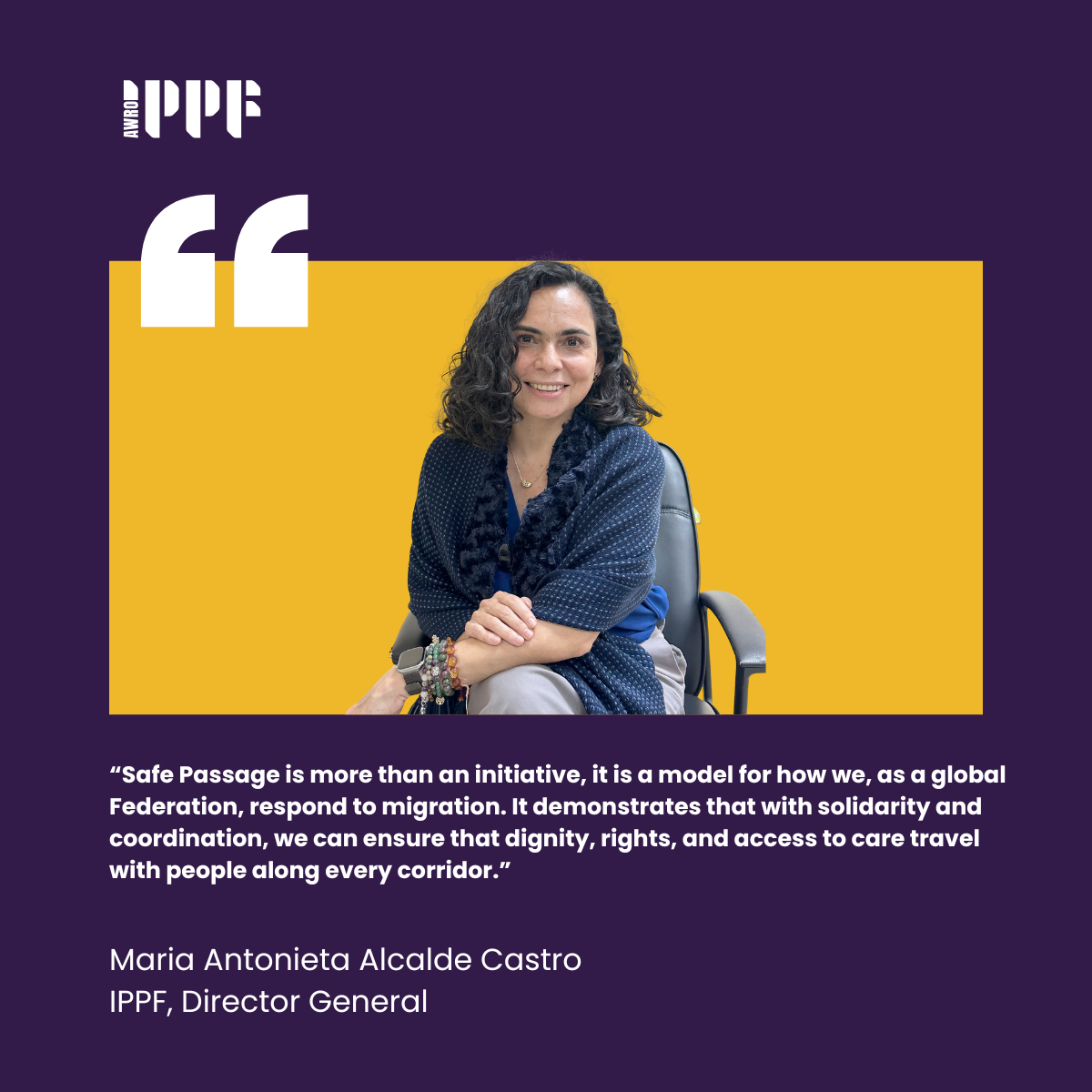
The meeting was further reinforced by the presence of Maria Antonieta Alcalde Castro, Director-General of IPPF, highlighting strong leadership commitment to regional solidarity and cross-border action.

During her visit, she emphasized: “Safe Passage is more than an initiative, it is a model for how we, as a global Federation, respond to migration. It demonstrates that with solidarity and coordination, we can ensure that dignity, rights, and access to care travel with people along every corridor. "  
dg

She also reaffirmed IPPF’s commitment to supporting Member Associations in the region through closer collaboration, strategic alignment, and sustained investment in youth-centered, rights-based programming. Her visit provided an important opportunity for direct engagement with regional teams, reinforcing the importance of collective action, shared learning, and coordinated advocacy across countries.

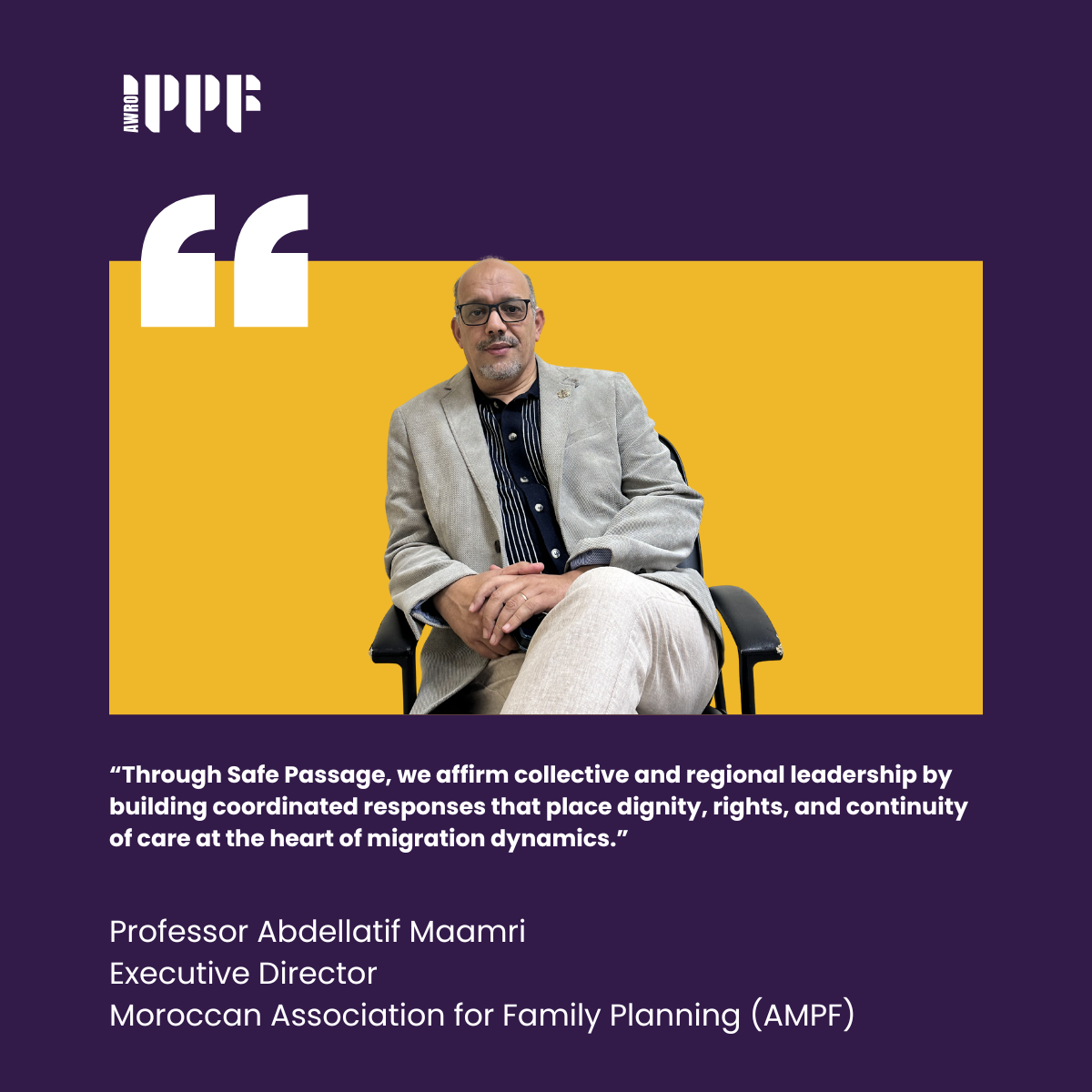
Setting the tone for this collective effort, Pr Maâmar Abdellatif, Executive Director of AMPF Morocco, emphasized the importance of regional leadership and shared responsibility: “Through this initiative, we affirm a collective and regional leadership, building coordinated responses that place dignity, rights, and continuity of care at the heart of migration dynamics.”
ampf

Migration across these regions is driven by complex and overlapping factors. In countries such as Nigeria and Ethiopia, many young people leave in search of economic opportunity or safety, often without adequate information about the risks ahead. In Niger and Sudan, migration routes cut through highly fragile environments where services are scarce and exposure to violence, trafficking, and exploitation is particularly high.

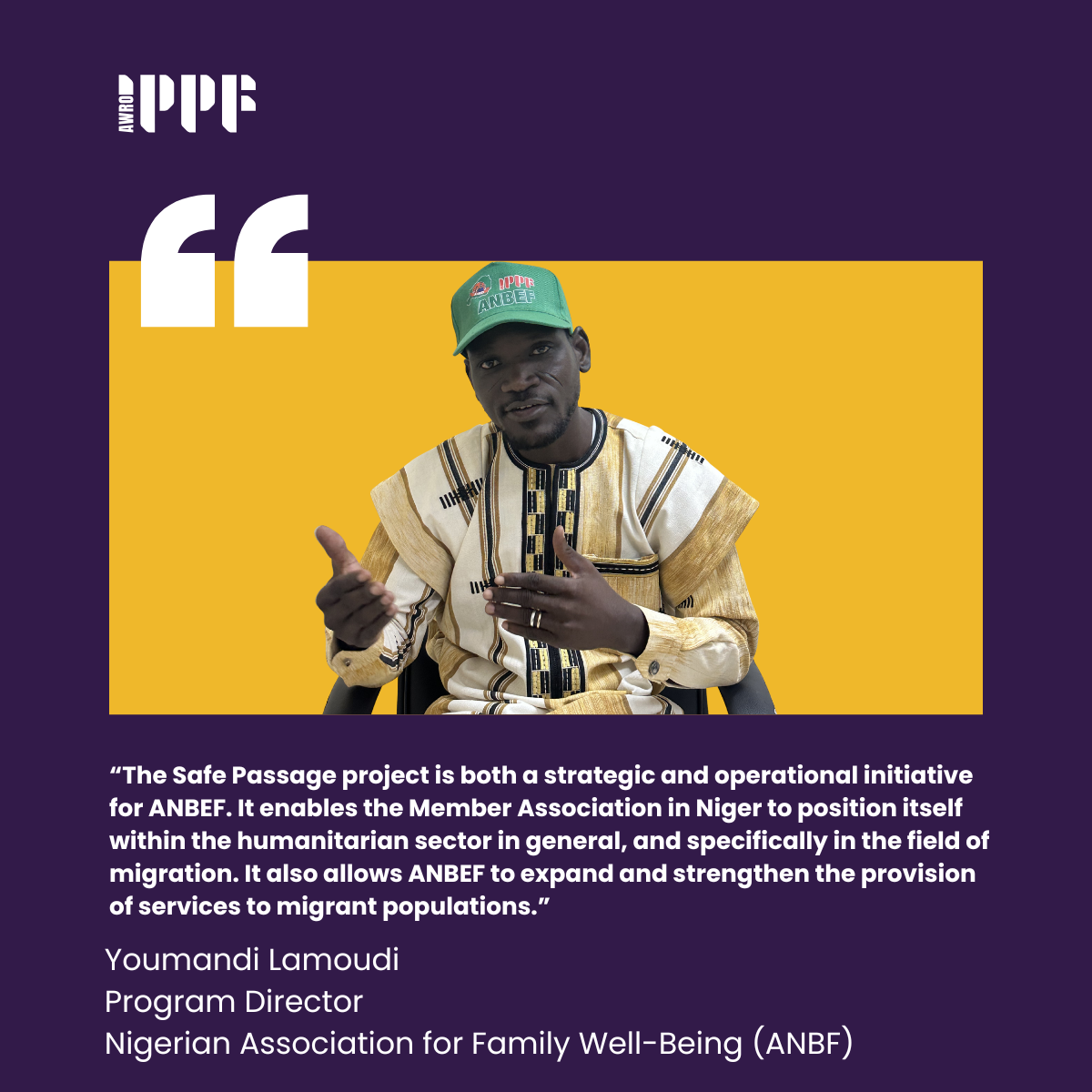
Highlighting both the urgency and the opportunity, Lamoudi Youmandi, Program Director at ANBF Niger, notes :“The initiative is both strategic and operational. It enables our organization to position itself within the humanitarian field, particularly in migration, while strengthening the delivery of services to migrant populations.” 
Lamoudi

Further north, countries like Morocco, Tunisia, and Mauritania are no longer simply transit points but are increasingly spaces of prolonged stay where migrants face administrative barriers, uncertain legal status, and limited access to essential services. These evolving realities require constant adaptation of responses on the ground.

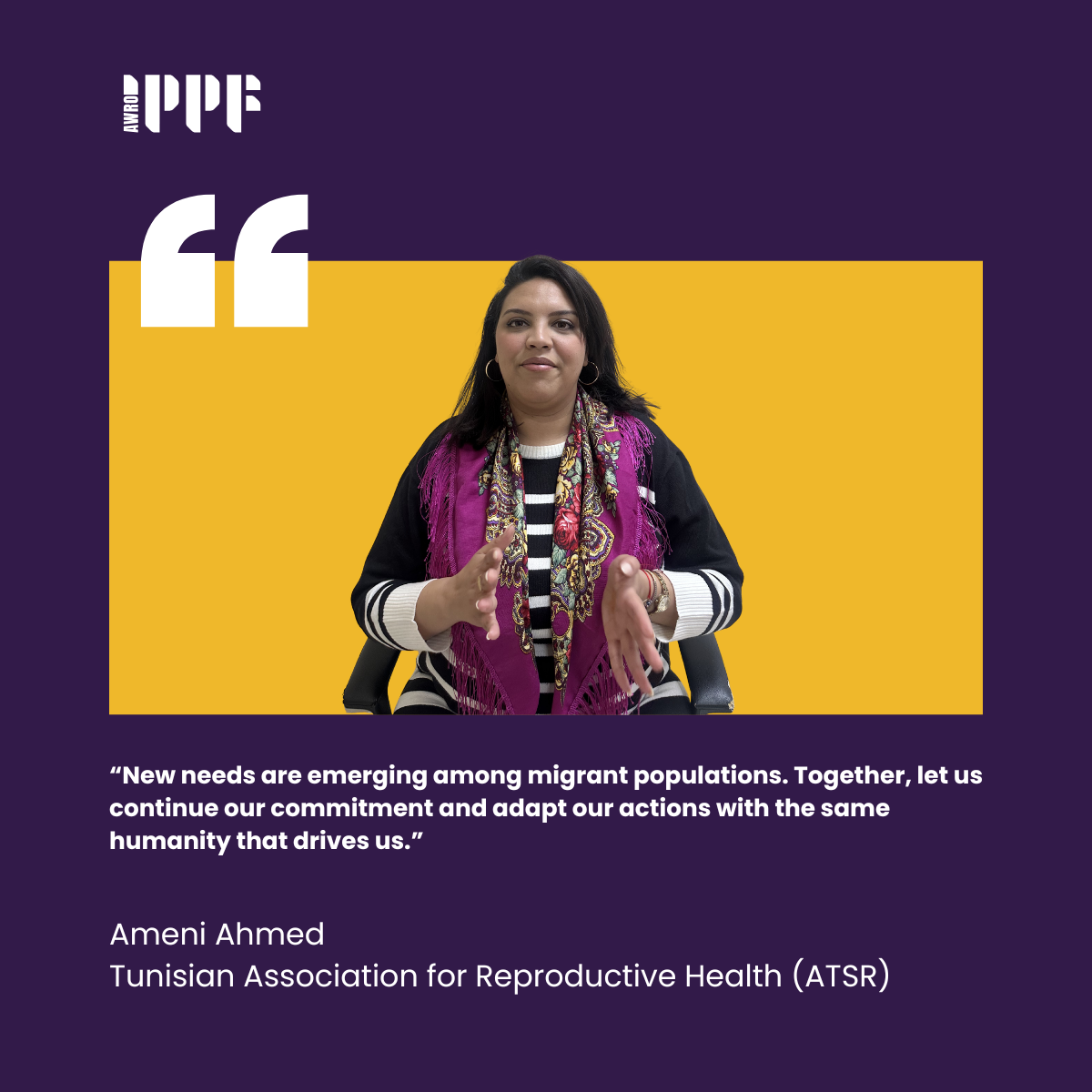
As Ameni Ahmed from ATSR Tunisia explains:“New needs are emerging among migrant populations. Together, let us continue our commitment and adapt our actions with the same humanity that drives us.”
atsr

In Cameroon, layered crises including internal displacement and cross-border movement create additional pressures on already stretched systems, making it essential to connect humanitarian action with long-term policy change.

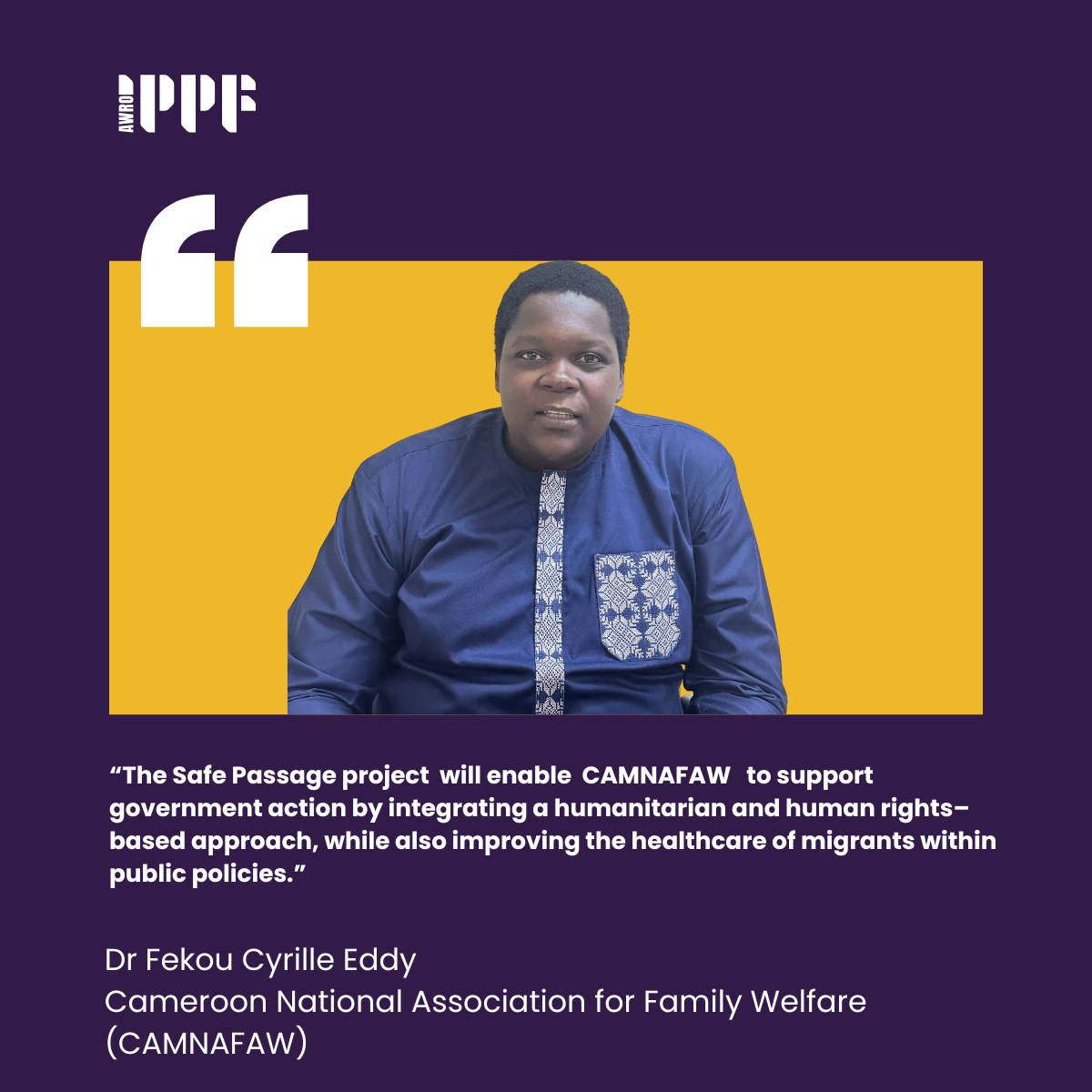
This is reflected in the perspective of Dr Fekou Cyrille Eddy of CAMNAFAW: “The initiative will support government action by integrating a humanitarian and human rights-based approach, while improving healthcare provision for migrants within public policies.”
CAMEROUN

At this point in the regional reflection, the Sudanese perspective further underscores the importance of continuity of care in fragile contexts.

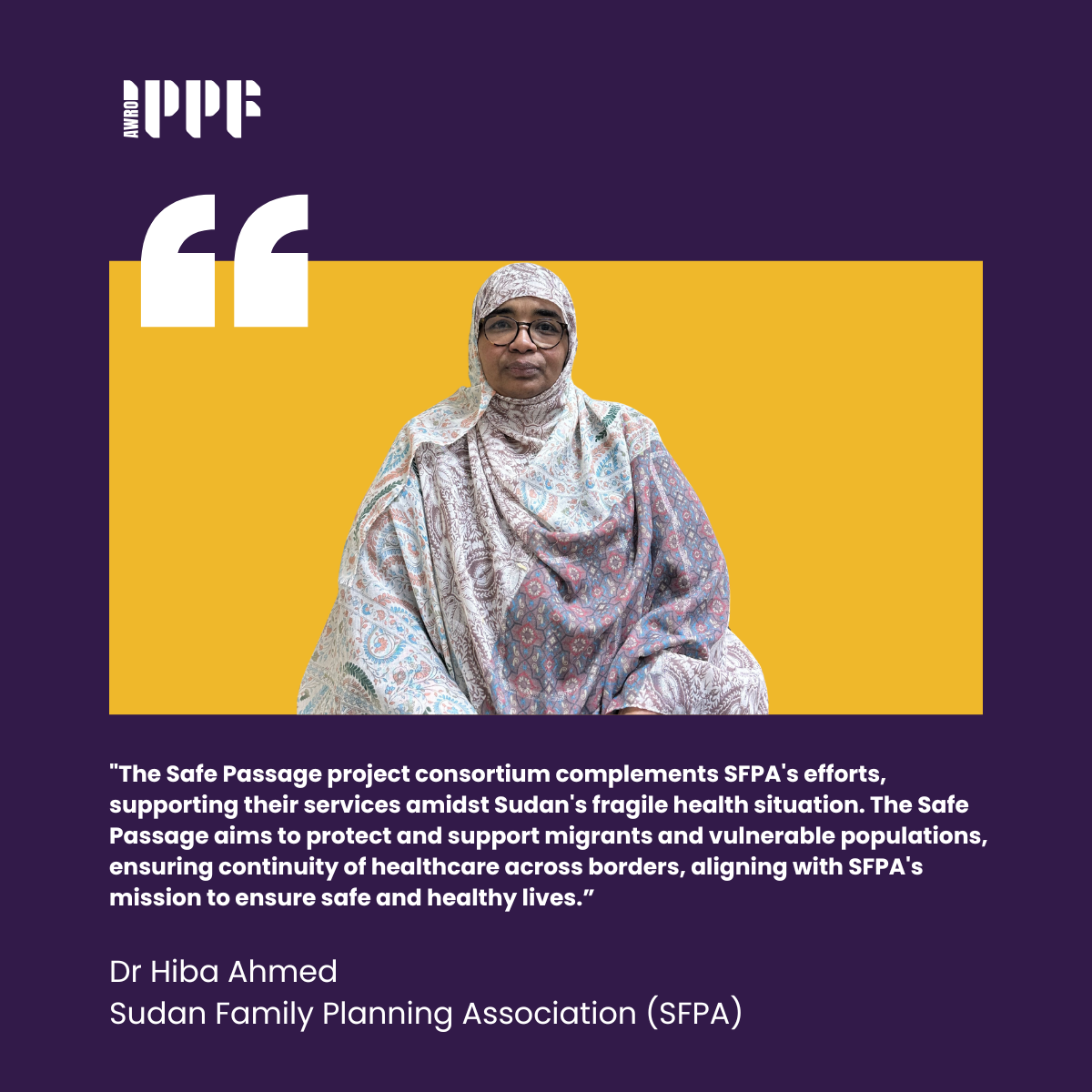
As stated by Dr. Hiba Ahmed, SFPA Sudan:“The consortium complements SFPA’s efforts, supporting their services amidst Sudan’s fragile health situation. It aims to protect and support migrants and vulnerable populations, ensuring continuity of healthcare across borders, aligning with SFPA’s mission to ensure safe and healthy lives.”
sfpa

For migrants, the journey is continuous, but systems of care are not. Access to family planning, maternal health services, and HIV prevention can disappear within a matter of kilometers or at the crossing of a border. Women, girls, young people, and marginalized groups are disproportionately affected, facing both structural barriers to care and heightened risks of sexual and gender-based violence.

Beyond service delivery, the initiative also challenges perceptions and narratives surrounding migration, particularly in countries of transit and destination.

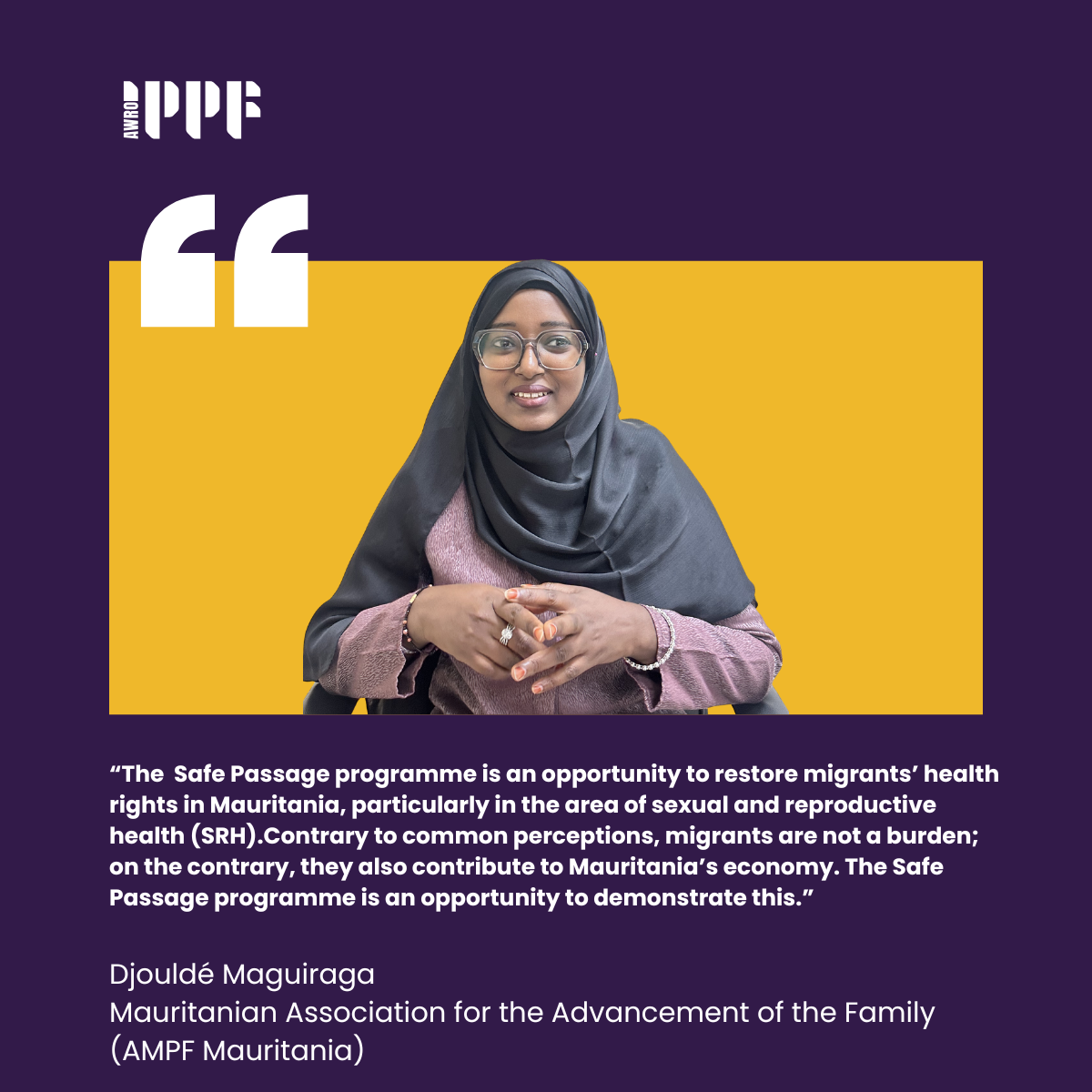
As Djouldé Maguiraga from AMPF Mauritania emphasizes:“Contrary to common belief, migrants are not a burden.

On the contrary, they contribute to the economy, and this program is an opportunity to demonstrate that reality.”
AMPF

At the community level, its impact is tangible, helping ensure that migrants can access care safely and with dignity throughout their journey.

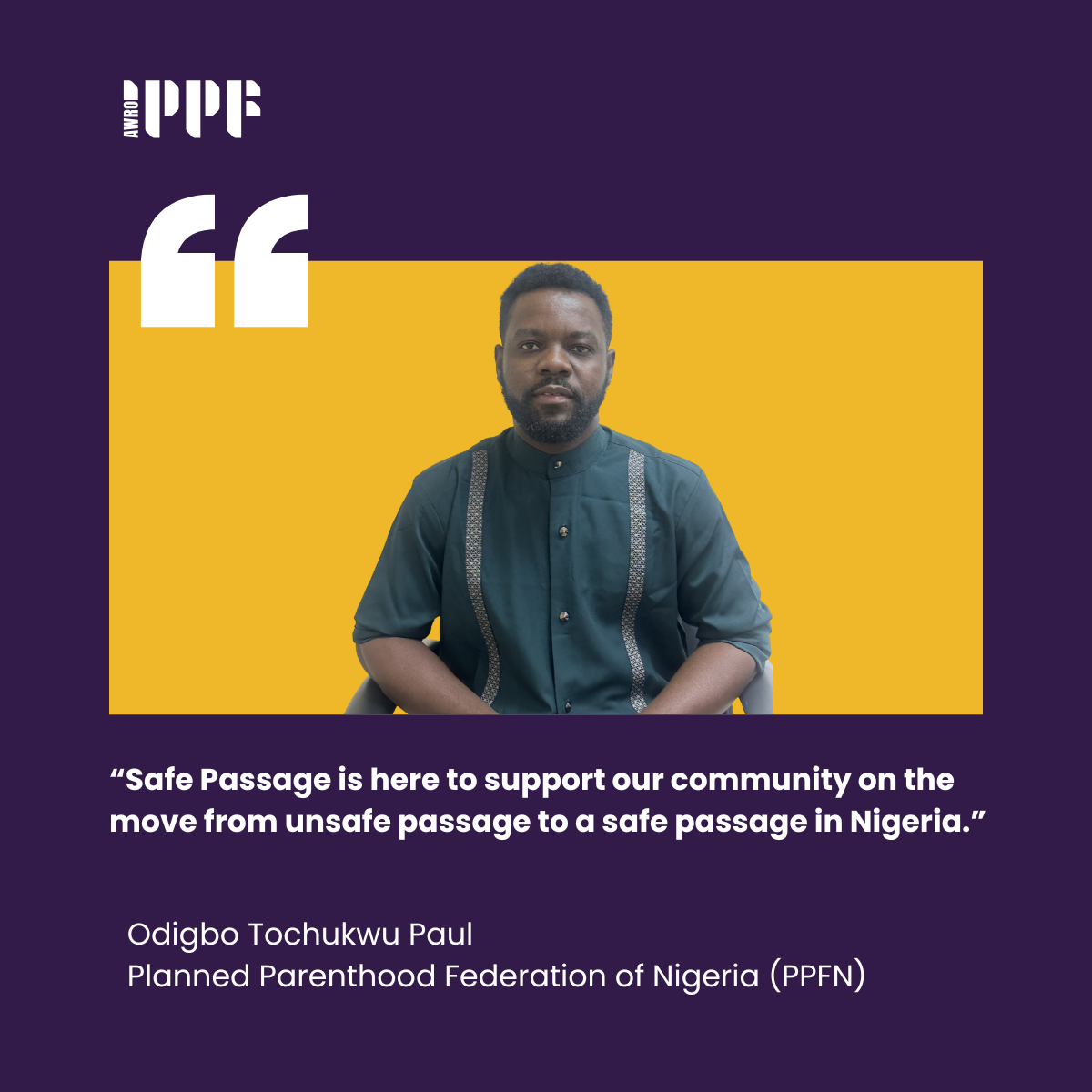
In the words of Odigbo Tochukwu Paul from Nigeria:“This initiative is here to support our communities on the move, transforming unsafe journeys into safe ones.”
odigbo

Ultimately, it is rooted in a broader vision of inclusion, protection, and shared humanity—one that extends beyond borders and systems.

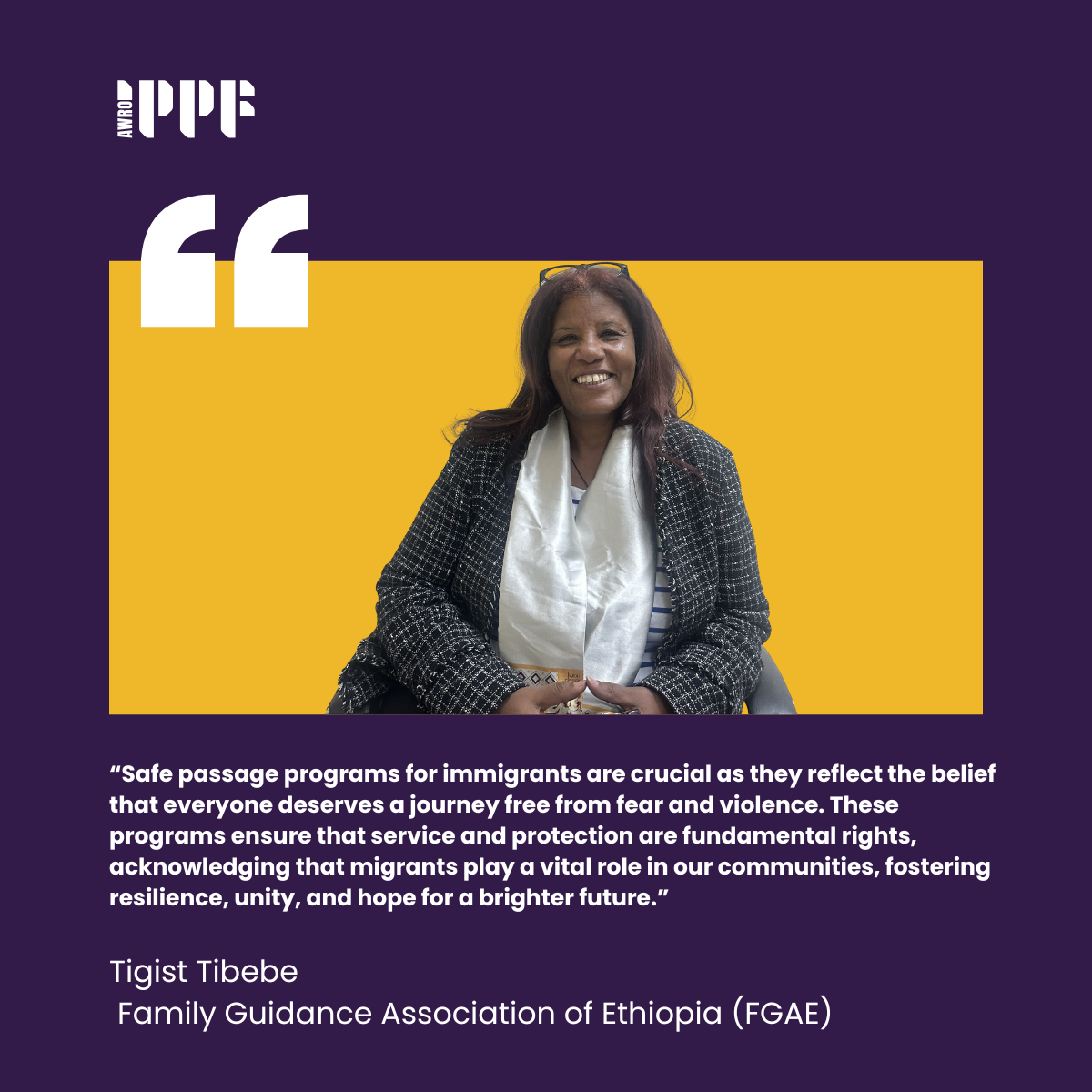
As Tigist Tibebe of FGAE Ethiopia concludes:“Such programs reflect the belief that everyone deserves a journey free from fear and violence. They recognize migrants as vital contributors to our communities, fostering resilience, unity, and hope.”
ethiopia

What makes this effort particularly powerful is its ability to connect voices and actions across countries. By aligning approaches, sharing tools, and building on each partner’s strengths, the consortium creates a unified response to what is inherently a transnational reality. This not only improves immediate service delivery but also contributes to strengthening national systems and fostering long-term regional cooperation.

Ultimately, it represents a shift in how migration is addressed. It moves away from fragmented, reactive responses toward a model that is coordinated, inclusive, and grounded in human rights. It recognizes that access to health, especially sexual and reproductive health, is not a static need. For people on the move, it must be continuous, adaptable, and accessible at every stage of the journey.

In placing dignity, rights, and continuity at its core, this regional effort is not only supporting migrants but also redefining what a truly humane and effective migration response can look like across Africa and the Arab region.

 

From Dialogue to Policy: Advancing Community Centered Communication in Morocco

On December 20, 2025, the Moroccan Association for Family Planning (AMPF) convened its staff and community partners in Marrakech for an interactive workshop dedicated to one clear objective: building a communication policy that genuinely reflects its values and the lived realities of the communities it serves.

Developed in close collaboration with the International Planned Parenthood Federation – Arab World Regional Office (IPPF AWRO), the policy embeds community centered, rights based, and safeguarding principles throughout its structure. The goal was not simply to draft a document, but to create practical guidance ensuring that all messaging, visuals, language, and outreach efforts are ethical, inclusive, confidential, and grounded in a “do no harm” approach while remaining attentive to Morocco’s social and legal context.

What set this initiative apart was the diversity of voices shaping it. Alongside AMPF staff, community activists including Moroccan members of the Alliance for Diversity and Inclusion (ADI) actively contributed to discussions. ADI, supported regionally by IPPF AWRO, works across the Arab region to advance diversity, inclusion, human rights, and sexual and reproductive health and rights (SRHR). Their engagement ensured that the policy reflects lived experiences, not only institutional perspectives.

Through structured group work and open dialogue, participants examined key issues such as gender sensitive language, respectful and no stereotypical visual representation, informed consent, confidentiality safeguards, and risk mitigation. The result was a policy that emerged collectively shaped by reflection, dialogue, and shared ownership.

With this milestone, AMPF becomes the first Member Association in the region to adopt a comprehensive, community centered communication policy that positions communities as equal partners in defining how they are represented and engaged. The policy was formally reviewed, validated, and endorsed at the close of the workshop marking a collective commitment to implementation.

Beyond the document itself, the process strengthened collaboration between AMPF and ADI and laid the foundation for more inclusive programming and policy development moving forward. AMPF plans to adapt and replicate similar frameworks for other communities who may face stigma, marginalization, or barriers in accessing services.

To ensure accountability and relevance, the policy will undergo review every two years with the meaningful participation of community representatives.

This milestone reinforces ethical communication standards within AMPF and signals a broader regional shift toward safer, more dignified, and nondiscriminatory engagement with vulnerable communities.

No One Left Behind: A Commitment to Mental Well-Being

IPPF never leaves anyone behind.
This commitment goes beyond borders and extends not only to SRH clients, but also to service providers and Member Association staff.
In recent years, amid escalating humanitarian crises across the Arab region, IPPF has provided mental health and well-being support to 127 service providers across 7 countries, alongside focused trauma care and institutional support for Member Associations working in conflict settings, including Palestine, Yemen, Syria, Lebanon, and Sudan. In 2024, IPPF offered 1,276,325 SRH psychological and wellbeing services to estimated 425,000 clients through its Member Associations in the Arab world.
As a frontline SRH actor in humanitarian contexts, one of IPPF’s core values is clear:
Creating healthy workplaces requires sustained commitment, credible partnerships, and a firm recognition that mental well-being is essential to performance, dignity, and quality care.
The Mental Well-Being Appreciation from Arab Therapy recognizes its collaboration with the International Planned Parenthood Federation to strengthen organizational approaches to employee mental well-being. This partnership focuses on ensuring that staff have access to professional, meaningful, and culturally responsive mental health support.
Embedding mental well-being within organizational practice enhances resilience, ethical leadership, and long-term effectiveness, while reinforcing a workplace culture grounded in care, accountability, and respect.


يتعاون الاتحاد الدولي لتنظيم الأسرة مع اليابان في مشروع جديد لدعم خدمات الصحة الجنسية والإنجابية في الضفة الغربية

يسرّ الاتحاد الدولي لتنظيم الأسرة وجمعيته العضو في فلسطين، جمعية تنظيم وحماية الأسرة الفلسطينية (PFPPA)، الإعلان عن إطلاق مشروع جديد ممول من حكومة اليابان بعنوان: "تقديم الخدمات الصحية والطبية للنساء والأطفال المتأثرين بالأزمات في الضفة الغربية."

سيقدّم هذا المشروع خدمات منقذة للحياة تشمل رعاية الأمومة، والدعم النفسي والاجتماعي، وخدمات الصحة الجنسية والإنجابية، حتى في المناطق الأكثر صعوبة للوصول إليها في الضفة الغربية، وذلك عبر المراكز الصحية، والفرق الطبية المتنقلة، والاستشارات عن بُعد، والتواصل المجتمعي.

أدى تدمير المرافق الصحية، والقيود الشديدة على الحركة، والمداهمات والهجمات على المجتمعات في الضفة الغربية إلى حرمان الفلسطينيين من الوصول إلى الرعاية الصحية أو الحدّ منه بشكل كبير. ووفقًا لصندوق الأمم المتحدة للسكان، تواجه أكثر من 230,000 امرأة وفتاة صعوبات في الحصول على خدمات الصحة الإنجابية.

تشمل الأنشطة الرئيسية للمشروع ما يلي:

  • الحفاظ على خدمات الصحة الجنسية والإنجابية الضرورية من خلال ثلاث عيادات ثابتة في الخليل وحلحول وبيت لحم في الضفة الغربية، حيث ستقدّم خدمات تنظيم الأسرة، ورعاية التوليد وأمراض النساء، وإدارة الأمراض المنقولة جنسيًا، لأكثر من 22,000 امرأة وطفل. وسيشمل ذلك دعمًا متخصصًا لنحو 2,300 ناجية من العنف الجنسي والعنف القائم على النوع الاجتماعي عبر الرعاية الطبية أو الاستشارات أو الإحالات.
  • تقديم خدمات صحة الأم والطفل لـ 4,600 امرأة وطفل في المناطق المهمشة والتي يصعب الوصول إليها في الضفة الغربية عبر فريق طبي متنقل يضم أطباء وقابلات وأطباء أطفال وأخصائيين اجتماعيين وصيادلة وفنيي مختبرات. كما سيقدم الفريق المتنقل خدمات الدعم النفسي ودعمًا للناجين من العنف الجنسي والعنف القائم على النوع الاجتماعي وخدمات تنظيم الأسرة.
  • توفير خدمات الاستشارة والدعم عبر الاتصالات والقنوات الرقمية لمن لا يستطيعون الوصول إلى العيادات.
  • تنظيم خمس جلسات "التحضير للولادة" لـ 90 أمًا في حملهن الأول، لتقديم المعلومات والدعم حول رعاية الأمومة وخيارات الولادة.

وقال السيد أرايكي كاتسوهِيكو، سفير اليابان للشؤون الفلسطينية:

"بصفتنا من الداعمين الرئيسيين للتغطية الصحية الشاملة وأجندة المرأة والسلام والأمن، نأمل أن يسهم تعاوننا الجديد مع الاتحاد الدولي لتنظيم الأسرة في تمكين النساء والأطفال الفلسطينيين المتأثرين بالنزاعات والذين يعيشون خارج نطاق الخدمات من الحصول على خدمات التوليد وأمراض النساء وتنظيم الأسرة، وتعزيز رفاههم ومشاركتهم المجتمعية. ويعد هذا المشروع جزءًا من حزمة التعاون اليابانية لفلسطين للفترة 2026–2027. وستواصل اليابان دعم الاستقرار والازدهار في فلسطين."

وأضافت الدكتورة فدوى بخدة، المديرة الإقليمية لمكتب العالم العربي في الاتحاد الدولي لتنظيم الأسرة:

"بفضل دعم الشعب الياباني، يمكننا الاستمرار في تقديم الخدمات الأساسية لصحة الأم والطفل إلى المجتمعات التي تم عزلها بشكل منهجي عن الرعاية، والمساهمة في منع وفيات الأمهات وحديثي الولادة التي يمكن تجنبها في الضفة الغربية."

pal

نبذة عن الاتحاد الدولي لتنظيم الأسرة (IPPF) – مكتب العالم العربي:

الاتحاد الدولي لتنظيم الأسرة هو مزود عالمي للرعاية الصحية ومدافع رائد عن الصحة والحقوق الجنسية والإنجابية للجميع. تأسس عام 1952، ويضم اليوم أكثر من 120 جمعية عضو مستقلة و23 شريكًا تعاونيًا في 146 دولة. تأسس مكتب منطقة العالم العربي عام 1971، ومقره في تونس، ويعد منظمة رائدة في تقديم خدمات الصحة الجنسية والإنجابية في شمال إفريقيا والشرق الأوسط، والصوت الأبرز في مجال المناصرة لهذه الحقوق في المنطقة.

IPPF Safe Passage: Strengthening Regional Solidarity for Migrants’ Health and Rights

Across Africa, migration is not a series of isolated movements from one country to another, but a continuous journey shaped by uncertainty, resilience, and survival. People move across borders in search of safety, opportunity, or stability, often navigating fragile environments where access to essential services is inconsistent or entirely absent. In response to this reality, the Arab African Consortium led by the Moroccan Family Planning Association (AMPF) brings together a powerful regional alliance committed to ensuring that health and dignity travel with people wherever they go.

Uniting Member Associations (MAs) from Morocco, Tunisia, Mauritania, Sudan, Niger, Cameroon, Ethiopia, and Nigeria, the consortium reflects the true geography of migration routes across the continent. These countries are deeply interconnected through corridors where individuals move, pause, settle temporarily, or are forced to remain. Yet while migration itself is fluid, access to healthcare, especially sexual and reproductive health and rights (SRHR), remains fragmented.

The initiative addresses this disconnect by building a coordinated, cross-border response that ensures continuity of care along the entire journey.

In this context, the Moroccan Family Planning Association, as lead of the consortium, convened a strategic inter-country workshop on April 8 and 9, 2026, in Rabat. The meeting brought together IPPF Member Associations (MAs) from all eight participating countries, creating a shared space for dialogue, reflection, and alignment. More than a routine gathering, it served as a critical milestone in strengthening regional collaboration. It provided an opportunity to harmonize approaches, reinforce coordination mechanisms, and advance joint actions aimed at improving access to sexual and reproductive health and rights services for people on the move. 

The meeting was further reinforced by the presence of Maria Antonieta Alcalde Castro, Director-General of IPPF, highlighting strong leadership commitment to regional solidarity and cross-border action.

During her visit, she emphasized: “Safe Passage is more than an initiative, it is a model for how we, as a global Federation, respond to migration. It demonstrates that with solidarity and coordination, we can ensure that dignity, rights, and access to care travel with people along every corridor. "  

dg

She also reaffirmed IPPF’s commitment to supporting Member Associations in the region through closer collaboration, strategic alignment, and sustained investment in youth-centered, rights-based programming. Her visit provided an important opportunity for direct engagement with regional teams, reinforcing the importance of collective action, shared learning, and coordinated advocacy across countries.

Setting the tone for this collective effort, Pr Maâmar Abdellatif, Executive Director of AMPF Morocco, emphasized the importance of regional leadership and shared responsibility: “Through this initiative, we affirm a collective and regional leadership, building coordinated responses that place dignity, rights, and continuity of care at the heart of migration dynamics.”

ampf

Migration across these regions is driven by complex and overlapping factors. In countries such as Nigeria and Ethiopia, many young people leave in search of economic opportunity or safety, often without adequate information about the risks ahead. In Niger and Sudan, migration routes cut through highly fragile environments where services are scarce and exposure to violence, trafficking, and exploitation is particularly high.

Highlighting both the urgency and the opportunity, Lamoudi Youmandi, Program Director at ANBF Niger, notes :“The initiative is both strategic and operational. It enables our organization to position itself within the humanitarian field, particularly in migration, while strengthening the delivery of services to migrant populations.” 

Lamoudi

Further north, countries like Morocco, Tunisia, and Mauritania are no longer simply transit points but are increasingly spaces of prolonged stay where migrants face administrative barriers, uncertain legal status, and limited access to essential services. These evolving realities require constant adaptation of responses on the ground.

As Ameni Ahmed from ATSR Tunisia explains:“New needs are emerging among migrant populations. Together, let us continue our commitment and adapt our actions with the same humanity that drives us.”

atsr

In Cameroon, layered crises including internal displacement and cross-border movement create additional pressures on already stretched systems, making it essential to connect humanitarian action with long-term policy change.

This is reflected in the perspective of Dr Fekou Cyrille Eddy of CAMNAFAW: “The initiative will support government action by integrating a humanitarian and human rights-based approach, while improving healthcare provision for migrants within public policies.”

CAMEROUN

At this point in the regional reflection, the Sudanese perspective further underscores the importance of continuity of care in fragile contexts.

As stated by Dr. Hiba Ahmed, SFPA Sudan:“The consortium complements SFPA’s efforts, supporting their services amidst Sudan’s fragile health situation. It aims to protect and support migrants and vulnerable populations, ensuring continuity of healthcare across borders, aligning with SFPA’s mission to ensure safe and healthy lives.”

sfpa

For migrants, the journey is continuous, but systems of care are not. Access to family planning, maternal health services, and HIV prevention can disappear within a matter of kilometers or at the crossing of a border. Women, girls, young people, and marginalized groups are disproportionately affected, facing both structural barriers to care and heightened risks of sexual and gender-based violence.

Beyond service delivery, the initiative also challenges perceptions and narratives surrounding migration, particularly in countries of transit and destination.

As Djouldé Maguiraga from AMPF Mauritania emphasizes:“Contrary to common belief, migrants are not a burden.

On the contrary, they contribute to the economy, and this program is an opportunity to demonstrate that reality.”

AMPF

At the community level, its impact is tangible, helping ensure that migrants can access care safely and with dignity throughout their journey.

In the words of Odigbo Tochukwu Paul from Nigeria:“This initiative is here to support our communities on the move, transforming unsafe journeys into safe ones.”

odigbo

Ultimately, it is rooted in a broader vision of inclusion, protection, and shared humanity—one that extends beyond borders and systems.

As Tigist Tibebe of FGAE Ethiopia concludes:“Such programs reflect the belief that everyone deserves a journey free from fear and violence. They recognize migrants as vital contributors to our communities, fostering resilience, unity, and hope.”

ethiopia

What makes this effort particularly powerful is its ability to connect voices and actions across countries. By aligning approaches, sharing tools, and building on each partner’s strengths, the consortium creates a unified response to what is inherently a transnational reality. This not only improves immediate service delivery but also contributes to strengthening national systems and fostering long-term regional cooperation.

Ultimately, it represents a shift in how migration is addressed. It moves away from fragmented, reactive responses toward a model that is coordinated, inclusive, and grounded in human rights. It recognizes that access to health, especially sexual and reproductive health, is not a static need. For people on the move, it must be continuous, adaptable, and accessible at every stage of the journey.

In placing dignity, rights, and continuity at its core, this regional effort is not only supporting migrants but also redefining what a truly humane and effective migration response can look like across Africa and the Arab region.

 

From Dialogue to Policy: Advancing Community Centered Communication in Morocco

On December 20, 2025, the Moroccan Association for Family Planning (AMPF) convened its staff and community partners in Marrakech for an interactive workshop dedicated to one clear objective: building a communication policy that genuinely reflects its values and the lived realities of the communities it serves.

Developed in close collaboration with the International Planned Parenthood Federation – Arab World Regional Office (IPPF AWRO), the policy embeds community centered, rights based, and safeguarding principles throughout its structure. The goal was not simply to draft a document, but to create practical guidance ensuring that all messaging, visuals, language, and outreach efforts are ethical, inclusive, confidential, and grounded in a “do no harm” approach while remaining attentive to Morocco’s social and legal context.

What set this initiative apart was the diversity of voices shaping it. Alongside AMPF staff, community activists including Moroccan members of the Alliance for Diversity and Inclusion (ADI) actively contributed to discussions. ADI, supported regionally by IPPF AWRO, works across the Arab region to advance diversity, inclusion, human rights, and sexual and reproductive health and rights (SRHR). Their engagement ensured that the policy reflects lived experiences, not only institutional perspectives.

Through structured group work and open dialogue, participants examined key issues such as gender sensitive language, respectful and no stereotypical visual representation, informed consent, confidentiality safeguards, and risk mitigation. The result was a policy that emerged collectively shaped by reflection, dialogue, and shared ownership.

With this milestone, AMPF becomes the first Member Association in the region to adopt a comprehensive, community centered communication policy that positions communities as equal partners in defining how they are represented and engaged. The policy was formally reviewed, validated, and endorsed at the close of the workshop marking a collective commitment to implementation.

Beyond the document itself, the process strengthened collaboration between AMPF and ADI and laid the foundation for more inclusive programming and policy development moving forward. AMPF plans to adapt and replicate similar frameworks for other communities who may face stigma, marginalization, or barriers in accessing services.

To ensure accountability and relevance, the policy will undergo review every two years with the meaningful participation of community representatives.

This milestone reinforces ethical communication standards within AMPF and signals a broader regional shift toward safer, more dignified, and nondiscriminatory engagement with vulnerable communities.

No One Left Behind: A Commitment to Mental Well-Being

IPPF never leaves anyone behind.
This commitment goes beyond borders and extends not only to SRH clients, but also to service providers and Member Association staff.
In recent years, amid escalating humanitarian crises across the Arab region, IPPF has provided mental health and well-being support to 127 service providers across 7 countries, alongside focused trauma care and institutional support for Member Associations working in conflict settings, including Palestine, Yemen, Syria, Lebanon, and Sudan. In 2024, IPPF offered 1,276,325 SRH psychological and wellbeing services to estimated 425,000 clients through its Member Associations in the Arab world.
As a frontline SRH actor in humanitarian contexts, one of IPPF’s core values is clear:
Creating healthy workplaces requires sustained commitment, credible partnerships, and a firm recognition that mental well-being is essential to performance, dignity, and quality care.
The Mental Well-Being Appreciation from Arab Therapy recognizes its collaboration with the International Planned Parenthood Federation to strengthen organizational approaches to employee mental well-being. This partnership focuses on ensuring that staff have access to professional, meaningful, and culturally responsive mental health support.
Embedding mental well-being within organizational practice enhances resilience, ethical leadership, and long-term effectiveness, while reinforcing a workplace culture grounded in care, accountability, and respect.