
- - -
bank-phrom-Tzm3Oyu_6sk-unsplash

News

Latest news from IPPF

Spotlight

A selection of news from across the Federation

cvc

Tunisia

News item

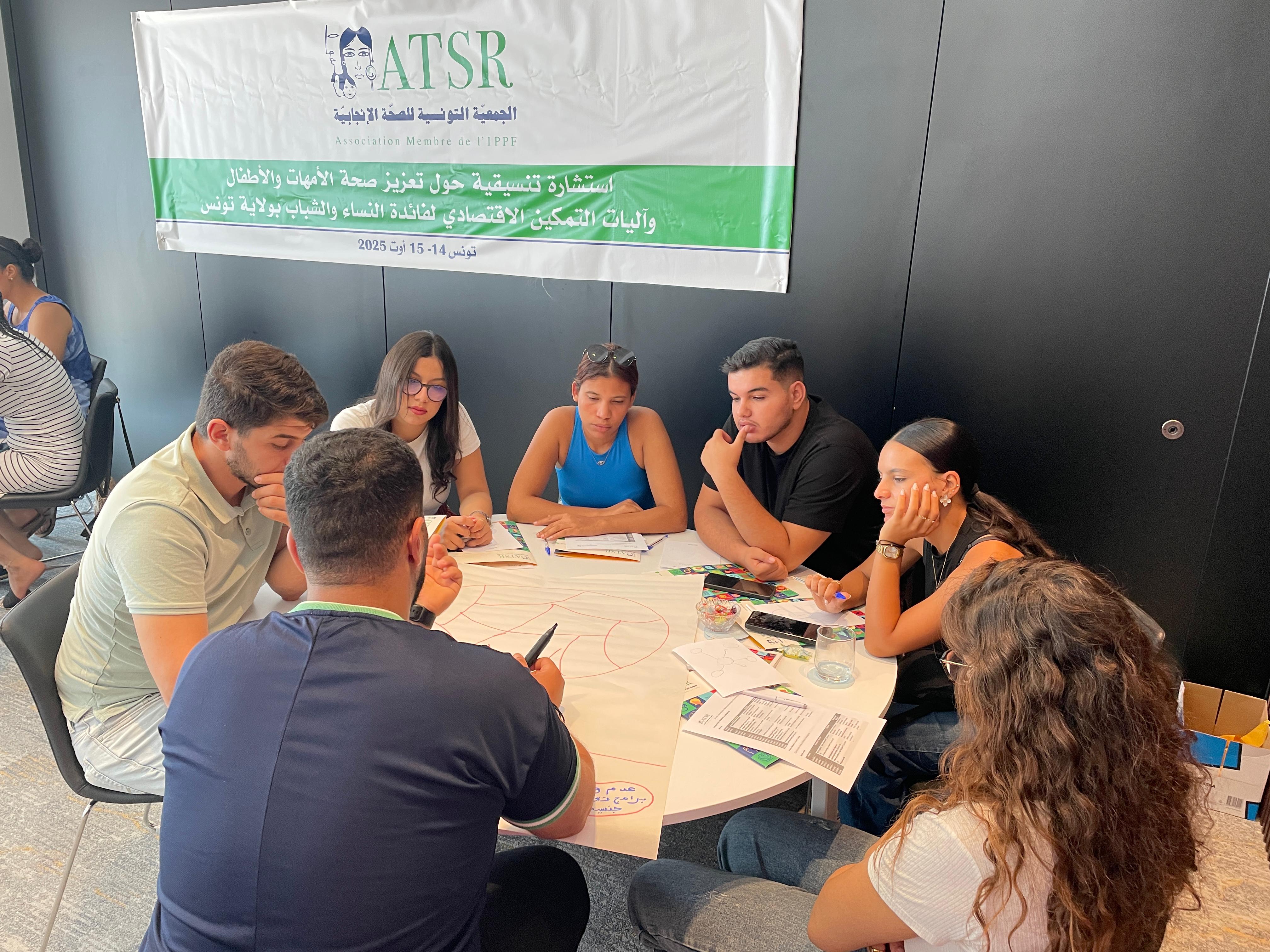
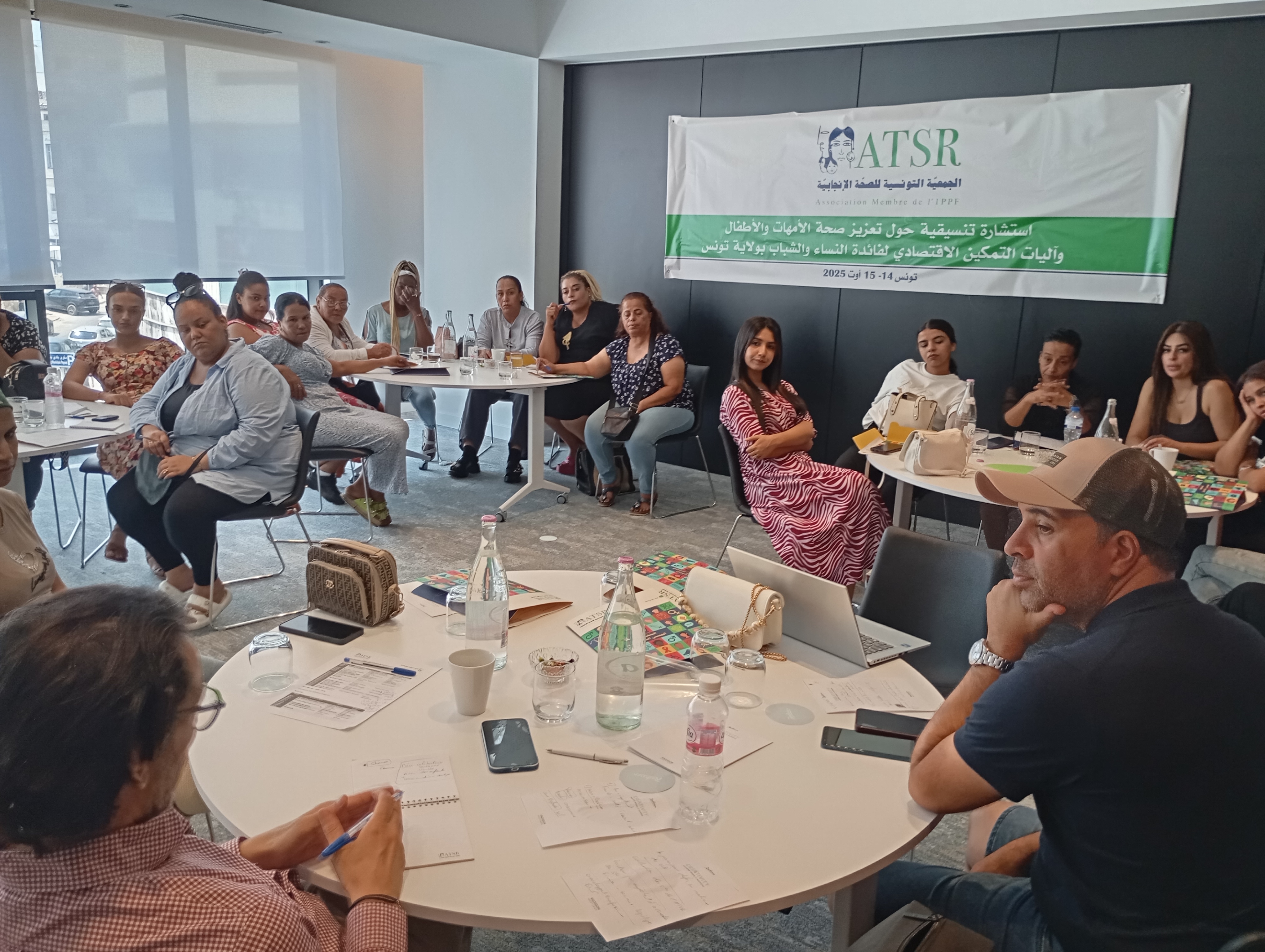
الاتحاد الدولي لتنظيم الأسرة والصندوق العربي للإنماء الإقتصادي والإجتماعي يحققان نقلة نوعية في التمكين الاقتصادي والاجتماعي للشباب والنساء في العالم العربي

في خطوة رائدة نحو تعزيز التنمية المستدامة في المنطقة، نجحت المبادرة الإقليمية "التمكين الاقتصادي والاجتماعي من أجل صحة ورفاه الأسرة"، التي يقودها الاتحاد الدولي لتنظيم الأسرة – المكتب الإقليمي للعالم العربي، وبدعم وشراكة استراتيجية مع الصندوق العربي للإنماء الاقتصادي والاجتماعي، في إحداث تحول نوعي في حياة آلاف الشباب والنساء والفئات الأكثر هشاشة في تونس، موريتانيا، والسودان.

Filter our news by:

World aids day 2025 statement - IPPF Arab world region

IPPF Arab World Region– World AIDS Day 2025 Statement

Reimagining the HIV Response in the AWR Region: Investment, Integration, and Inclusion

On World AIDS Day 2025, the IPPF Arab World Region, reaffirms its unwavering commitment to advancing a resilient, inclusive, and evidence-based HIV response across the IPPF Arab World Region (AWR). Stretching across North Africa, the Levant, and parts of the Gulf, the region continues to face multidimensional challenges; from recurrent conflicts and economic instability to deep-rooted stigma and structural inequalities; that shape both the epidemiology of HIV and the capacity of national health systems to respond.

In recent years, the region has registered progress in HIV testing, the availability of antiretroviral therapy, and community-led outreach. However, significant gaps remain in early diagnosis, treatment continuity, viral suppression, and access to comprehensive prevention services. Young people and key populations continue to be disproportionately affected, and restrictive legal and social environments often hinder their ability to seek and receive care. These persistent challenges threaten the region’s ability to meet the global commitment to end AIDS as a public-health threat by 2030.

This year’s global call to reimagine the HIV response through investment, integration, and inclusion reflects the precise needs and realities of the AWR. For policymakers, donors, and regional institutions, this moment represents an important opportunity to support innovative, sustainable, and people-centered approaches that strengthen health systems while safeguarding dignity and human rights.

Investment remains essential to accelerate progress and protect the gains achieved thus far. Sustainable financing; from domestic health budgets, international partners, and regional mechanisms; is required to secure uninterrupted access to treatment, expand prevention options including PrEP and PEP, reinforce supply chains, and strengthen laboratory capacities. Investment must also extend to mental health and psychosocial services, which remain critical yet frequently underfunded. Crucially, support must continue to strengthen community systems and community-led responses that reach those most affected and frequently underserved.

Integration is central to improving service quality and ensuring continuity. Across the AWR, IPPF Member Associations continue to embed HIV services within broader sexual and reproductive health and rights (SRHR) programs. This integration ensures that HIV prevention, testing, treatment support, mental health care, and gender-based violence response are accessible through unified, person-centered platforms. In humanitarian and crisis-affected settings, integrated service models have proven especially effective in maintaining access, reducing stigma, and reinforcing the resilience of national health systems.

Inclusion remains the foundation of an effective and just HIV response. People living with HIV, young people, migrants, displaced populations, LGBTIQ+ individuals, sex workers, and other marginalized groups must not only be reached; they must be meaningfully engaged in shaping programs and policies. Their leadership strengthens accountability, improves service relevance, and enhances outcomes. IPPF Arab World is firmly committed to ensuring that these communities remain partners at every level of the response.

As we look ahead to 2030, IPPF Arab World expresses its appreciation to governments, donors, multilateral institutions, civil society, and community partners who continue to support efforts to strengthen the HIV response across the Arab World.

We reaffirm our commitment to working closely with national authorities and local partners to expand high-quality SRHR and HIV services, promote enabling legal and policy environments, and ensure alignment with global evidence and best practices.

On this World AIDS Day, we honor the resilience of people living with HIV, the dedicated healthcare providers and community workers supporting them, and the partners who continue to advance progress across the region.

IPPF Arab World stands firmly with all stakeholders in the AWR region in the shared conviction that, through sustained investment, strengthened integration, and genuine inclusion, ending AIDS as a public-health threat is not only possible; it is within reach.
 

بيان الاتحاد الدولي لتنظيم الأسرة-اقليم العالم العربي بمناسبة اليوم العالمي للإيدز ٢٠٢٥

إعادة تصوّر الاستجابة لفيروس نقص المناعة البشري في المنطقة العربية: الاستثمار، التكامل، والشمول

بمناسبة اليوم العالمي للإيدز لعام ٢٠٢٥، يجدد الاتحاد الدولي لتنظيم الأسرة اقليم-العالم العربي التزامه الراسخ بتعزيز استجابة قوية، شاملة، وقائمة على الأدلة العلمية تجاه فيروس نقص المناعة البشري في المنطقة العربية.
وتمتد هذه المنطقة عبر شمال أفريقيا، والمشرق العربي، وأجزاء من الخليج، حيث لا تزال تواجه تحديات متعددة الأبعاد؛ من النزاعات المتكررة، وعدم الاستقرار الاقتصادي، إلى الوصمة المتجذّرة وعدم المساواة البنيوية التي تؤثر على وبائيات فيروس نقص المناعة البشري وعلى قدرة النظم الصحية الوطنية على الاستجابة. وقد شهدت السنوات الأخيرة تقدماً في فحوصات فيروس نقص المناعة البشري، وتوافر العلاج بمضادات الفيروسات القهقرية، والجهود المجتمعية في التوعية والوصول إلى الفئات الأكثر تهميشاً.
إلا أن فجوات كبيرة ما زالت قائمة في الكشف المبكر، واستمرارية العلاج، وتحقيق كبت الحمل الفيروسي، وضمان الوصول إلى خدمات الوقاية الشاملة. ولا يزال الشباب والفئات الرئيسية الأكثر عرضة للتأثر بشكل غير متناسب، فيما تعيق البيئات القانونية والاجتماعية المقيّدة قدرتهم على طلب الرعاية والحصول عليها. وتشكل هذه التحديات المستمرة خطراً على قدرة المنطقة على تحقيق الالتزام العالمي بإنهاء الإيدز كتهديد للصحة العامة بحلول عام ٢٠٣٠.

إن الدعوة العالمية هذا العام لإعادة تصور الاستجابة لفيروس نقص المناعة البشري من خلال الاستثمار والتكامل والشمول تعبّر مباشرة عن الاحتياجات والواقع في المنطقة العربية. وتمثل هذه اللحظة فرصة مهمة أمام صانعي السياسات والمانحين والمؤسسات الإقليمية لدعم مقاربات مبتكرة، مستدامة، ومتمحورة حول الإنسان، وتعزز النظم الصحية مع حماية الكرامة وحقوق الإنسان.
ويظل الاستثمار عنصراً محورياً لتسريع التقدم والحفاظ على المكتسبات المحققة، إذ يحتاج تأمين الوصول المستمر للعلاج، وتوسيع خيارات الوقاية بما فيها الوقاية قبل التعرّض والوقاية بعد التعرّض، وتعزيز سلاسل الإمداد، وتقوية القدرات المخبرية، إلى تمويل مستدام من الميزانيات الوطنية والشركاء الدوليين والآليات الإقليمية. كما ينبغي أن يشمل الاستثمار خدمات الصحة النفسية والدعم النفسي-الاجتماعي، وهي خدمات أساسية لا تزال غالباً محدودة التمويل، إضافة إلى دعم الأنظمة المجتمعية والمبادرات التي تقودها المجتمعات الأكثر تهميشاً والتي تلعب دوراً حاسماً في الوصول إليهم.

ويُعد التكامل عنصراً أساسياً في تحسين جودة الخدمات وضمان استمراريتها. ففي مختلف أنحاء المنطقة العربية، تعمل الجمعيات الأعضاء في الاتحاد الدولي لتنظيم الأسرة على دمج خدمات فيروس نقص المناعة البشري ضمن برامج الصحة الجنسية والإنجابية، بما يضمن توفير خدمات الوقاية والفحص والدعم العلاجي والرعاية النفسية والاستجابة للعنف القائم على النوع الاجتماعي من خلال منصات موحدة تضع احتياجات الفرد في المركز. وقد أثبتت النماذج المتكاملة فعاليتها بشكل خاص في السياقات الإنسانية والمتأثرة بالأزمات، حيث تساهم في الحفاظ على الوصول إلى الخدمات، والحد من الوصمة، وتعزيز صمود النظم الصحية الوطنية.

أما الشمول فيظل حجر الأساس لاستجابة فعّالة وعادلة. فالأشخاص المتعايشون مع فيروس نقص المناعة البشري، والشباب، والمهاجرون، والنازحون، والأفراد من مجتمع الميم-عين، والعاملات والعاملون في مجال الجنس، والفئات المهمشة الأخرى، يجب ألا يكونوا مجرد مستفيدين، بل شركاء فاعلين في تصميم البرامج والسياسات. إن قيادتهم تعزز المساءلة، وتزيد من ملاءمة الخدمات، وتحسّن النتائج. ويؤكد الاتحاد الدولي لتنظيم الأسرة اقليم العالم العربي التزامه بضمان مشاركتهم الفاعلة في جميع مستويات الاستجابة.

ومع اقتراب عام ٢٠٣٠، يعبّر الاتحاد الدولي لتنظيم الأسرة-اقليم العالم العربي عن تقديره للحكومات، والجهات المانحة، والمؤسسات متعددة الأطراف، ومنظمات المجتمع المدني، والشركاء المجتمعيين الذين يواصلون دعم الجهود الرامية إلى تعزيز استجابة فيروس نقص المناعة البشري في المنطقة. ويعيد المكتب تأكيد التزامه بالعمل بشكل وثيق مع السلطات الوطنية والشركاء المحليين لتوسيع نطاق خدمات الصحة الجنسية والإنجابية وخدمات فيروس نقص المناعة البشري عالية الجودة، وتعزيز بيئات قانونية وسياسية داعمة، وضمان التوافق مع الأدلة العالمية وأفضل الممارسات.

وفي هذا اليوم العالمي للإيدز، نحيّي صمود الأشخاص المتعايشين مع فيروس نقص المناعة البشري، ومقدّمي الرعاية الصحية، والعاملات والعاملين المجتمعيين، وجميع الشركاء الذين يساهمون في دفع التقدم في المنطقة. ويقف  الاتحاد الدولي-لتنظيم الأسرة اقليم العالم العربي بثبات إلى جانب جميع الأطراف في المنطقة العربية بإيمان مشترك بأن إنهاء الإيدز كتهديد للصحة العامة ليس مجرد هدف ممكن، بل هدف بات قابلاً للتحقيق من خلال الاستثمار المستدام، وتعزيز التكامل، وترسيخ الشمول.
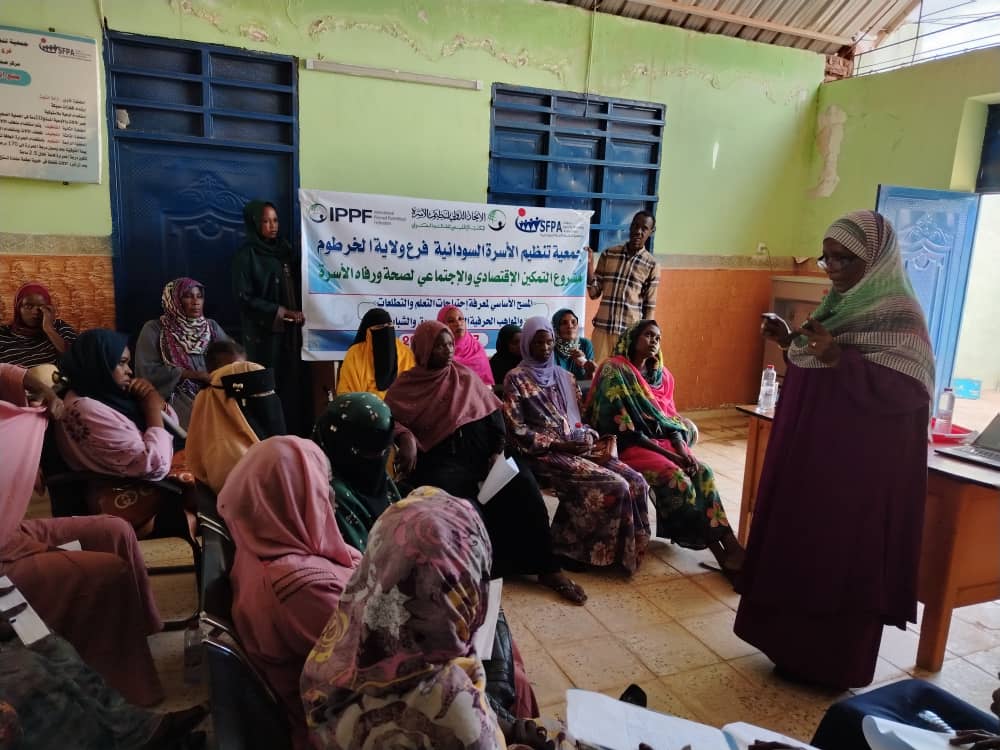
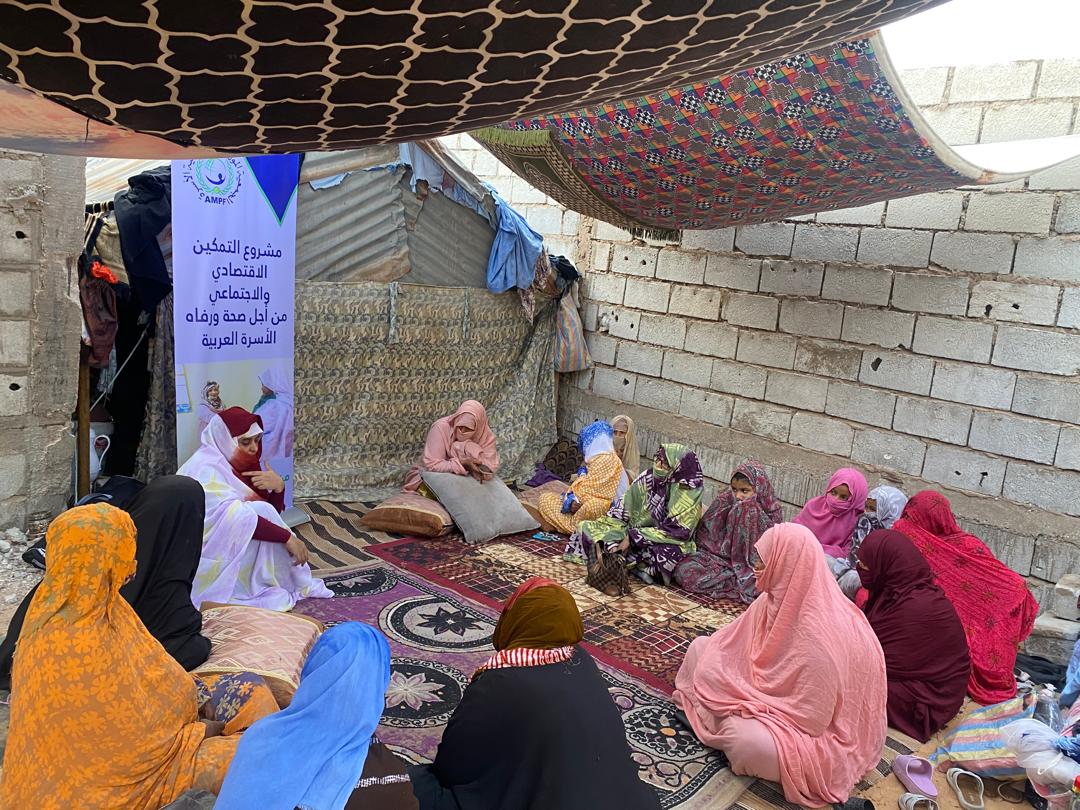


الاتحاد الدولي لتنظيم الأسرة والصندوق العربي للإنماء الإقتصادي والإجتماعي يحققان نقلة نوعية في التمكين الاقتصادي والاجتماعي للشباب والنساء في العالم العربي

الاتحاد الدولي لتنظيم الأسرة والصندوق العربي للإنماء الإقتصادي والإجتماعي يحققان نقلة نوعية في التمكين الاقتصادي والاجتماعي للشباب والنساء في العالم العربي


في خطوة رائدة نحو تعزيز التنمية المستدامة في المنطقة، نجحت المبادرة الإقليمية "التمكين الاقتصادي والاجتماعي من أجل صحة ورفاه الأسرة"، التي يقودها الاتحاد الدولي لتنظيم الأسرة – المكتب الإقليمي للعالم العربي، وبدعم وشراكة استراتيجية مع الصندوق العربي للإنماء الاقتصادي والاجتماعي، في إحداث تحول نوعي في حياة آلاف الشباب والنساء والفئات الأكثر هشاشة في تونس، موريتانيا، والسودان.

المشروع، الذي يُعد نموذجًا متكاملًا يربط بين التمكين الاقتصادي والاستدامة الصحية والاجتماعية، استطاع أن يصل إلى أكثر من 500 مستفيد ومستفيدة عبر برامج متنوعة شملت:

  • تدريبات متقدمة لمقدمي الخدمات الصحية،
  • حلقات مجتمعية للشباب والنساء،
  • واستشارات تنسيقية مع أكثر من 100 جهة حكومية وغير حكومية محلية ودولية، بما عزز التكامل بين القطاعات ورفع كفاءة توجيه الموارد.

ركزت المبادرة على تعزيز استقلالية الأفراد المالية من خلال تزويدهم بالمهارات العملية لإطلاق مشاريع صغيرة ومتناهية الصغر، تسهيل وصولهم إلى التمويل الميسر، وتمكينهم من أدوات الإدارة والتسويق والمحاسبة لضمان نجاح واستدامة أعمالهم.

في السودان، حظي المشروع بإشادة رسمية من مسؤول العون الإنساني لما حققه من دور محوري في تجاوز تحديات التمويل الأصغر وتحفيز ريادة الأعمال المحلية، خصوصًا في ظل الأزمة الإنسانية غير المسبوقة التي جعلت أكثر من نصف السكان بحاجة ماسة إلى المساعدات الأساسية. وقد وفر المشروع بدائل اقتصادية واقعية في بيئة يطغى عليها انهيار البنية التحتية وتراجع سبل العيش.

أما في تونس وموريتانيا، فقد أشادت الجهات الحكومية والمنظمات غير الحكومية بقدرة المشروع على دمج التدريب المهني بالخدمات الصحية والتمكين الاقتصادي في إطار متكامل يراعي الفروق الإقليمية والخصوصيات المحلية، مما ضَمِن تدخلات دقيقة وفعالة.

ومن خلال المسوح التشاورية والتحليل الشامل للاحتياجات الاقتصادية والصحية، صُممت تدخلات مبتكرة عززت قدرة المستفيدين على تحسين مستوى معيشتهم، وفي الوقت نفسه دعمت صحتهم ورفاههم الاجتماعي. وبهذا النهج المتكامل، تحوّل المشروع إلى أداة عملية لتعزيز الصمود المجتمعي، وجذب اهتمام الفاعلين الإقليميين والدوليين الذين اعتبروه نموذجًا يحتذى به لتعزيز قدرة المجتمعات على مواجهة الأزمات الممتدة.

إن هذا المشروع متعدد الدول يجسد شراكة فاعلة بين الاتحاد الدولي لتنظيم الأسرة والصندوق العربي للإنماء الاقتصادي والاجتماعي، ويبرهن أن التمكين الاقتصادي والاجتماعي ليس مجرد شعار، بل هو مسار عملي يمكّن الأفراد من أن يكونوا شركاء حقيقيين في تنمية مجتمعاتهم، قادرين على إدارة مواردهم وتحقيق رفاه أسرهم واستدامة مستقبلهم.

ccAMPFFfffjeunesddd


Bridging Peace and Health: Advancing SRHR in the Women, Peace and Security Agenda

The IPPF Arab Regional Secretariat, in partnership with the League of Arab States, the Institute for Family Health (IFH), UN Women and UNFPA, convened a two-day regional conference on 7–8 May 2025 in Amman, Jordan, under the title “Bridging Peace and Health: Advancing the Women, Peace and Security Agenda through Sexual and Reproductive Health and Rights (SRHR).” The conference brought together policymakers, advocates, UN agencies, civil society organizations, and Member Associations to reaffirm the essential role of SRHR as a foundation for peace, recovery, and resilience across the Arab region.

Participants from across the region and beyond—representing the IPPF Arab Regional Office, League of Arab States, Government representatives, the Institute for Family Health (IFH), UN Women, UNFPA, IPPF Member Associations in Yemen, Sudan, Palestine, and Lebanon, the Embassy of Japan in Jordan, and JOICFP joined in dynamic discussions. The meeting emphasized the urgent need to address women’s and girls’ health and rights in conflict and post-conflict contexts as part of the Women, Peace and Security agenda.

Dr. Ibrahim Aql, Director of the Family Health Institute, opened the regional conference by emphasizing the importance of integrating sexual and reproductive health issues into the women, peace and security agenda as a strategic necessity in light of the growing humanitarian challenges. He expressed the Institute's commitment to working with local and international partners to build a more just and protective future for women and girls in the region.

The speech delivered by Minister Plenipotentiary Director of population Policies Dept  League of Arab States Chouaa Dassouki, emphasized that the 2013 Cairo Declaration on Population and Development called for the enshrinement of human rights, including the achievement of reproductive health, as reproductive health concepts are an inherent human right, but this right is threatened and eroded in times of conflict and crisis; the situation of women in conflict and post-conflict situations is one of the most complex and difficult humanitarian issues, They are the most vulnerable to serious violations and deprivation of their basic rights, and their health deteriorates as a result of the collapse of health services in countries affected by war and armed conflict. She also stressed the need to integrate reproductive health services into humanitarian emergency plans.

Dr. Hadeel Al-Saigh, Director of the Women and Children's Health Directorate at the Jordanian Ministry of Health, emphasized that the Ministry places these issues at the top of its priorities, believing that empowering and protecting women, especially in times of crisis and conflict, is the foundation for building safe and healthy societies. The Ministry is currently working to integrate issues related to women and their security into its strategies to ensure equitable access to comprehensive health services, especially for the most vulnerable groups.

Ms. Tomoko Watanabe, Chargé d’Affaires of the Embassy of Japan in Jordan, representing the Government of Japan, which co-chairs the WPS Focal Points Network in 2025, reiterated Japan’s commitment to advancing the Women, Peace and Security agenda. She emphasized that to truly reach the most vulnerable and ensure no one is left behind, SRHR must be recognized as a critical component of peace and recovery. She added that IPPF’s grassroots engagement with local communities plays a vital role in achieving these shared goals and underlined that the international community must work together to implement actionable steps agreed upon through such platforms.

In her opening remarks, Dr. Fadoua Bakhadda, Regional Director of IPPF Arab World Region, underscored the consequences of neglecting women’s reproductive needs during crises. She said: “Reproductive health is a top priority. If women are denied SRH services in normal circumstances, how will they fare amid violence? How can she deliver safely? How does she nourish herself and her unborn child? Her needs don’t pause in war—they intensify. Yet, even basic necessities like sanitary pads have become a distant dream.” Dr. Bakhadda echoed the call from the 2023 UN Secretary-General’s report on Women, Peace and Security, which urged the integration of SRH into humanitarian responses as a core pillar of resilience and recovery.

Throughout the meeting, representatives from Governments and IPPF’s National Member Associations reported on the realities facing women and girls in their respective countries, while JOICFP shared Japan’s experiences in responding to the Great East Japan Earthquake and tsunami. The rich exchange of perspectives laid the foundation for a shared outcome document that reflects the region’s commitment to integrating SRHR within peace and security frameworks.

As a tangible outcome of the conference, participants announced the establishment of a regional hub that will serve as a collaborative platform to advance SRHR within the WPS agenda. The hub will support organizations across the region, promote comprehensive sexuality education in conflict contexts, advocate for stronger mental health and psychosocial support in humanitarian SRHR responses, and work closely with partners to ensure that health, dignity, and security are inseparable priorities, particularly for women and girls in vulnerable situations.

To carry the momentum forward, the IPPF Arab Regional Secretariat will organize a follow-up meeting in Egypt later this year with parliamentarians from Arab States and countries bordering the Mediterranean Sea. This meeting will aim to raise political awareness and mobilize action to ensure the implementation of the commitments made in Amman.


For more information, please contact Mr. Mustapha Kemayel, Director of External Relations  IPPF Arab World Region, at [email protected].

WPS Flyer

UN Special Representative Visits Safe Spaces for Women and Girls in Sudan’s Red Sea State

The visit, conducted in close collaboration with the State Unit for Combating Violence Against Women and Children and generously supported by the United Nations Population Fund (UNFPA), highlighted the essential services being provided to survivors of gender-based violence and those affected by displacement and conflict.

As part of the mission, Ms. Patten and her delegation toured SFPA-operated safe spaces, witnessing firsthand the integrated services offeredranging from reproductive health care to psychosocial support and social reintegration initiatives. The visit also provided an opportunity to engage directly with women and girls benefiting from these services, listening to their stories and needs.

A key moment of the visit was a tour of the Integrated Center for GBV Survivors, a model facility run by SFPA in Red Sea State. The center exemplifies holistic care for survivors, ensuring access to protection, medical attention, mental health support, and community-based services. Ms. Anette from the Swedish International Development Cooperation Agency (Sida) and Dr. Salima Ishaq, Director of the Federal Unit for Combating Violence Against Women and Children, also joined the tour.

In a significant announcement, Ms. Patten confirmed the upcoming signing of a formal cooperation agreement between the United Nations and the Government of Sudan on the prevention of and response to sexual violence in conflict. She described the agreement as a “milestone moment” in the country’s efforts to protect the rights and dignity of women and girls.

“This visit represents a strategic and qualitative boost for the cause of protecting women in the Sudanese context,” said Mr. Mustafa Rifaat Darrar, Executive Director of the SFPA Red Sea State Branch.
“It underscores the urgent need to expand safe spaces and deepen the integration of protection, reproductive health, and psychosocial services—especially in times of crisis. Above all, it reflects the unwavering solidarity of our international partners in ensuring that the dignity and safety of Sudanese women remain central to humanitarian action.”

This visit marks a powerful affirmation of SFPA’s commitment alongside its partners in the IPPF family and the global humanitarian community to uphold the rights of women and girls in conflict-affected areas, and to strengthen pathways for healing, empowerment, and justice.

World aids day 2025 statement - IPPF Arab world region

IPPF Arab World Region– World AIDS Day 2025 Statement

Reimagining the HIV Response in the AWR Region: Investment, Integration, and Inclusion

On World AIDS Day 2025, the IPPF Arab World Region, reaffirms its unwavering commitment to advancing a resilient, inclusive, and evidence-based HIV response across the IPPF Arab World Region (AWR). Stretching across North Africa, the Levant, and parts of the Gulf, the region continues to face multidimensional challenges; from recurrent conflicts and economic instability to deep-rooted stigma and structural inequalities; that shape both the epidemiology of HIV and the capacity of national health systems to respond.

In recent years, the region has registered progress in HIV testing, the availability of antiretroviral therapy, and community-led outreach. However, significant gaps remain in early diagnosis, treatment continuity, viral suppression, and access to comprehensive prevention services. Young people and key populations continue to be disproportionately affected, and restrictive legal and social environments often hinder their ability to seek and receive care. These persistent challenges threaten the region’s ability to meet the global commitment to end AIDS as a public-health threat by 2030.

This year’s global call to reimagine the HIV response through investment, integration, and inclusion reflects the precise needs and realities of the AWR. For policymakers, donors, and regional institutions, this moment represents an important opportunity to support innovative, sustainable, and people-centered approaches that strengthen health systems while safeguarding dignity and human rights.

Investment remains essential to accelerate progress and protect the gains achieved thus far. Sustainable financing; from domestic health budgets, international partners, and regional mechanisms; is required to secure uninterrupted access to treatment, expand prevention options including PrEP and PEP, reinforce supply chains, and strengthen laboratory capacities. Investment must also extend to mental health and psychosocial services, which remain critical yet frequently underfunded. Crucially, support must continue to strengthen community systems and community-led responses that reach those most affected and frequently underserved.

Integration is central to improving service quality and ensuring continuity. Across the AWR, IPPF Member Associations continue to embed HIV services within broader sexual and reproductive health and rights (SRHR) programs. This integration ensures that HIV prevention, testing, treatment support, mental health care, and gender-based violence response are accessible through unified, person-centered platforms. In humanitarian and crisis-affected settings, integrated service models have proven especially effective in maintaining access, reducing stigma, and reinforcing the resilience of national health systems.

Inclusion remains the foundation of an effective and just HIV response. People living with HIV, young people, migrants, displaced populations, LGBTIQ+ individuals, sex workers, and other marginalized groups must not only be reached; they must be meaningfully engaged in shaping programs and policies. Their leadership strengthens accountability, improves service relevance, and enhances outcomes. IPPF Arab World is firmly committed to ensuring that these communities remain partners at every level of the response.

As we look ahead to 2030, IPPF Arab World expresses its appreciation to governments, donors, multilateral institutions, civil society, and community partners who continue to support efforts to strengthen the HIV response across the Arab World.

We reaffirm our commitment to working closely with national authorities and local partners to expand high-quality SRHR and HIV services, promote enabling legal and policy environments, and ensure alignment with global evidence and best practices.

On this World AIDS Day, we honor the resilience of people living with HIV, the dedicated healthcare providers and community workers supporting them, and the partners who continue to advance progress across the region.

IPPF Arab World stands firmly with all stakeholders in the AWR region in the shared conviction that, through sustained investment, strengthened integration, and genuine inclusion, ending AIDS as a public-health threat is not only possible; it is within reach.
 

بيان الاتحاد الدولي لتنظيم الأسرة-اقليم العالم العربي بمناسبة اليوم العالمي للإيدز ٢٠٢٥

إعادة تصوّر الاستجابة لفيروس نقص المناعة البشري في المنطقة العربية: الاستثمار، التكامل، والشمول

بمناسبة اليوم العالمي للإيدز لعام ٢٠٢٥، يجدد الاتحاد الدولي لتنظيم الأسرة اقليم-العالم العربي التزامه الراسخ بتعزيز استجابة قوية، شاملة، وقائمة على الأدلة العلمية تجاه فيروس نقص المناعة البشري في المنطقة العربية.
وتمتد هذه المنطقة عبر شمال أفريقيا، والمشرق العربي، وأجزاء من الخليج، حيث لا تزال تواجه تحديات متعددة الأبعاد؛ من النزاعات المتكررة، وعدم الاستقرار الاقتصادي، إلى الوصمة المتجذّرة وعدم المساواة البنيوية التي تؤثر على وبائيات فيروس نقص المناعة البشري وعلى قدرة النظم الصحية الوطنية على الاستجابة. وقد شهدت السنوات الأخيرة تقدماً في فحوصات فيروس نقص المناعة البشري، وتوافر العلاج بمضادات الفيروسات القهقرية، والجهود المجتمعية في التوعية والوصول إلى الفئات الأكثر تهميشاً.
إلا أن فجوات كبيرة ما زالت قائمة في الكشف المبكر، واستمرارية العلاج، وتحقيق كبت الحمل الفيروسي، وضمان الوصول إلى خدمات الوقاية الشاملة. ولا يزال الشباب والفئات الرئيسية الأكثر عرضة للتأثر بشكل غير متناسب، فيما تعيق البيئات القانونية والاجتماعية المقيّدة قدرتهم على طلب الرعاية والحصول عليها. وتشكل هذه التحديات المستمرة خطراً على قدرة المنطقة على تحقيق الالتزام العالمي بإنهاء الإيدز كتهديد للصحة العامة بحلول عام ٢٠٣٠.

إن الدعوة العالمية هذا العام لإعادة تصور الاستجابة لفيروس نقص المناعة البشري من خلال الاستثمار والتكامل والشمول تعبّر مباشرة عن الاحتياجات والواقع في المنطقة العربية. وتمثل هذه اللحظة فرصة مهمة أمام صانعي السياسات والمانحين والمؤسسات الإقليمية لدعم مقاربات مبتكرة، مستدامة، ومتمحورة حول الإنسان، وتعزز النظم الصحية مع حماية الكرامة وحقوق الإنسان.
ويظل الاستثمار عنصراً محورياً لتسريع التقدم والحفاظ على المكتسبات المحققة، إذ يحتاج تأمين الوصول المستمر للعلاج، وتوسيع خيارات الوقاية بما فيها الوقاية قبل التعرّض والوقاية بعد التعرّض، وتعزيز سلاسل الإمداد، وتقوية القدرات المخبرية، إلى تمويل مستدام من الميزانيات الوطنية والشركاء الدوليين والآليات الإقليمية. كما ينبغي أن يشمل الاستثمار خدمات الصحة النفسية والدعم النفسي-الاجتماعي، وهي خدمات أساسية لا تزال غالباً محدودة التمويل، إضافة إلى دعم الأنظمة المجتمعية والمبادرات التي تقودها المجتمعات الأكثر تهميشاً والتي تلعب دوراً حاسماً في الوصول إليهم.

ويُعد التكامل عنصراً أساسياً في تحسين جودة الخدمات وضمان استمراريتها. ففي مختلف أنحاء المنطقة العربية، تعمل الجمعيات الأعضاء في الاتحاد الدولي لتنظيم الأسرة على دمج خدمات فيروس نقص المناعة البشري ضمن برامج الصحة الجنسية والإنجابية، بما يضمن توفير خدمات الوقاية والفحص والدعم العلاجي والرعاية النفسية والاستجابة للعنف القائم على النوع الاجتماعي من خلال منصات موحدة تضع احتياجات الفرد في المركز. وقد أثبتت النماذج المتكاملة فعاليتها بشكل خاص في السياقات الإنسانية والمتأثرة بالأزمات، حيث تساهم في الحفاظ على الوصول إلى الخدمات، والحد من الوصمة، وتعزيز صمود النظم الصحية الوطنية.

أما الشمول فيظل حجر الأساس لاستجابة فعّالة وعادلة. فالأشخاص المتعايشون مع فيروس نقص المناعة البشري، والشباب، والمهاجرون، والنازحون، والأفراد من مجتمع الميم-عين، والعاملات والعاملون في مجال الجنس، والفئات المهمشة الأخرى، يجب ألا يكونوا مجرد مستفيدين، بل شركاء فاعلين في تصميم البرامج والسياسات. إن قيادتهم تعزز المساءلة، وتزيد من ملاءمة الخدمات، وتحسّن النتائج. ويؤكد الاتحاد الدولي لتنظيم الأسرة اقليم العالم العربي التزامه بضمان مشاركتهم الفاعلة في جميع مستويات الاستجابة.

ومع اقتراب عام ٢٠٣٠، يعبّر الاتحاد الدولي لتنظيم الأسرة-اقليم العالم العربي عن تقديره للحكومات، والجهات المانحة، والمؤسسات متعددة الأطراف، ومنظمات المجتمع المدني، والشركاء المجتمعيين الذين يواصلون دعم الجهود الرامية إلى تعزيز استجابة فيروس نقص المناعة البشري في المنطقة. ويعيد المكتب تأكيد التزامه بالعمل بشكل وثيق مع السلطات الوطنية والشركاء المحليين لتوسيع نطاق خدمات الصحة الجنسية والإنجابية وخدمات فيروس نقص المناعة البشري عالية الجودة، وتعزيز بيئات قانونية وسياسية داعمة، وضمان التوافق مع الأدلة العالمية وأفضل الممارسات.

وفي هذا اليوم العالمي للإيدز، نحيّي صمود الأشخاص المتعايشين مع فيروس نقص المناعة البشري، ومقدّمي الرعاية الصحية، والعاملات والعاملين المجتمعيين، وجميع الشركاء الذين يساهمون في دفع التقدم في المنطقة. ويقف  الاتحاد الدولي-لتنظيم الأسرة اقليم العالم العربي بثبات إلى جانب جميع الأطراف في المنطقة العربية بإيمان مشترك بأن إنهاء الإيدز كتهديد للصحة العامة ليس مجرد هدف ممكن، بل هدف بات قابلاً للتحقيق من خلال الاستثمار المستدام، وتعزيز التكامل، وترسيخ الشمول.
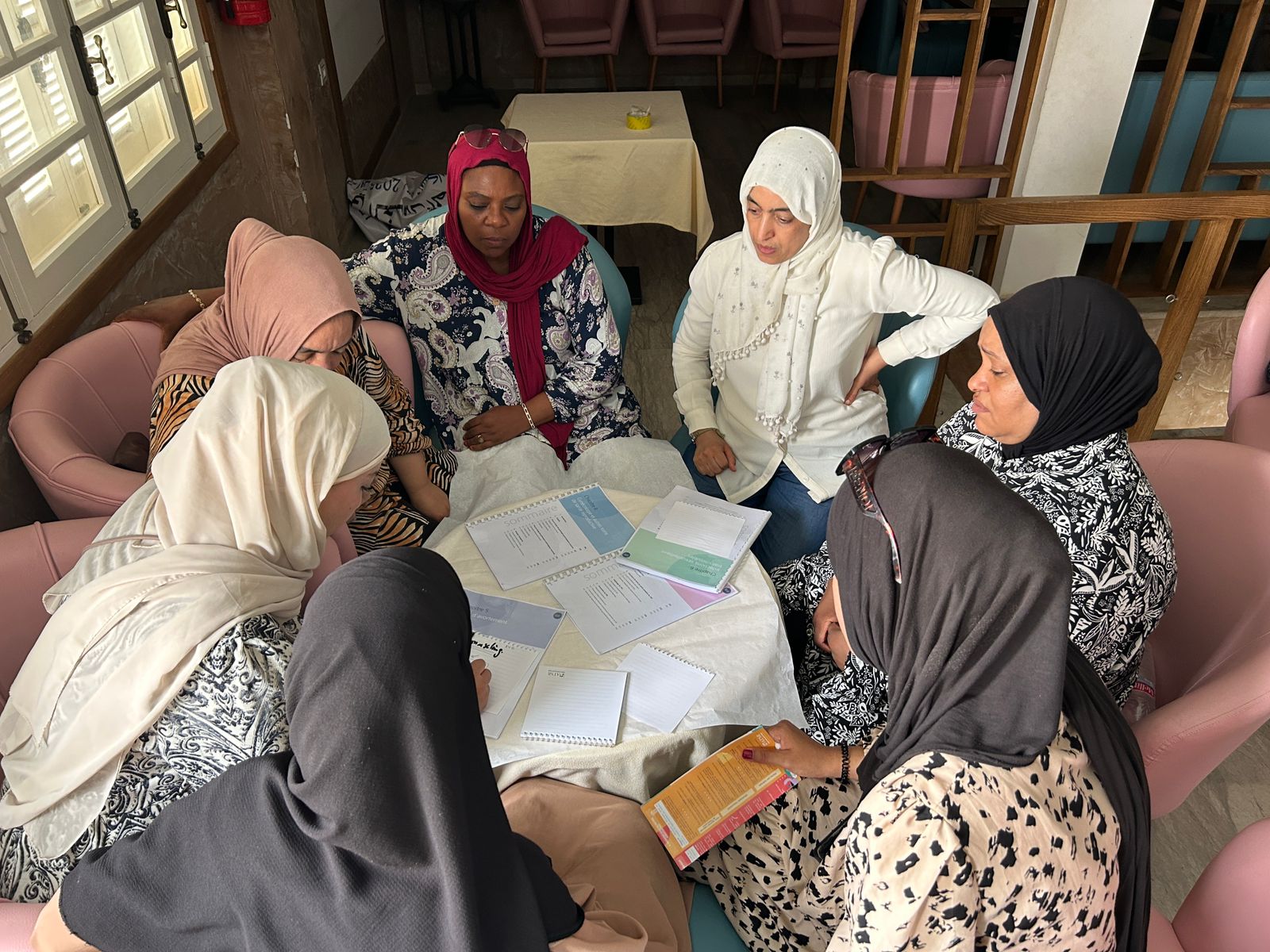


الاتحاد الدولي لتنظيم الأسرة والصندوق العربي للإنماء الإقتصادي والإجتماعي يحققان نقلة نوعية في التمكين الاقتصادي والاجتماعي للشباب والنساء في العالم العربي

الاتحاد الدولي لتنظيم الأسرة والصندوق العربي للإنماء الإقتصادي والإجتماعي يحققان نقلة نوعية في التمكين الاقتصادي والاجتماعي للشباب والنساء في العالم العربي


في خطوة رائدة نحو تعزيز التنمية المستدامة في المنطقة، نجحت المبادرة الإقليمية "التمكين الاقتصادي والاجتماعي من أجل صحة ورفاه الأسرة"، التي يقودها الاتحاد الدولي لتنظيم الأسرة – المكتب الإقليمي للعالم العربي، وبدعم وشراكة استراتيجية مع الصندوق العربي للإنماء الاقتصادي والاجتماعي، في إحداث تحول نوعي في حياة آلاف الشباب والنساء والفئات الأكثر هشاشة في تونس، موريتانيا، والسودان.

المشروع، الذي يُعد نموذجًا متكاملًا يربط بين التمكين الاقتصادي والاستدامة الصحية والاجتماعية، استطاع أن يصل إلى أكثر من 500 مستفيد ومستفيدة عبر برامج متنوعة شملت:

  • تدريبات متقدمة لمقدمي الخدمات الصحية،
  • حلقات مجتمعية للشباب والنساء،
  • واستشارات تنسيقية مع أكثر من 100 جهة حكومية وغير حكومية محلية ودولية، بما عزز التكامل بين القطاعات ورفع كفاءة توجيه الموارد.

ركزت المبادرة على تعزيز استقلالية الأفراد المالية من خلال تزويدهم بالمهارات العملية لإطلاق مشاريع صغيرة ومتناهية الصغر، تسهيل وصولهم إلى التمويل الميسر، وتمكينهم من أدوات الإدارة والتسويق والمحاسبة لضمان نجاح واستدامة أعمالهم.

في السودان، حظي المشروع بإشادة رسمية من مسؤول العون الإنساني لما حققه من دور محوري في تجاوز تحديات التمويل الأصغر وتحفيز ريادة الأعمال المحلية، خصوصًا في ظل الأزمة الإنسانية غير المسبوقة التي جعلت أكثر من نصف السكان بحاجة ماسة إلى المساعدات الأساسية. وقد وفر المشروع بدائل اقتصادية واقعية في بيئة يطغى عليها انهيار البنية التحتية وتراجع سبل العيش.

أما في تونس وموريتانيا، فقد أشادت الجهات الحكومية والمنظمات غير الحكومية بقدرة المشروع على دمج التدريب المهني بالخدمات الصحية والتمكين الاقتصادي في إطار متكامل يراعي الفروق الإقليمية والخصوصيات المحلية، مما ضَمِن تدخلات دقيقة وفعالة.

ومن خلال المسوح التشاورية والتحليل الشامل للاحتياجات الاقتصادية والصحية، صُممت تدخلات مبتكرة عززت قدرة المستفيدين على تحسين مستوى معيشتهم، وفي الوقت نفسه دعمت صحتهم ورفاههم الاجتماعي. وبهذا النهج المتكامل، تحوّل المشروع إلى أداة عملية لتعزيز الصمود المجتمعي، وجذب اهتمام الفاعلين الإقليميين والدوليين الذين اعتبروه نموذجًا يحتذى به لتعزيز قدرة المجتمعات على مواجهة الأزمات الممتدة.

إن هذا المشروع متعدد الدول يجسد شراكة فاعلة بين الاتحاد الدولي لتنظيم الأسرة والصندوق العربي للإنماء الاقتصادي والاجتماعي، ويبرهن أن التمكين الاقتصادي والاجتماعي ليس مجرد شعار، بل هو مسار عملي يمكّن الأفراد من أن يكونوا شركاء حقيقيين في تنمية مجتمعاتهم، قادرين على إدارة مواردهم وتحقيق رفاه أسرهم واستدامة مستقبلهم.

ccAMPFFfffjeunesddd


Bridging Peace and Health: Advancing SRHR in the Women, Peace and Security Agenda

The IPPF Arab Regional Secretariat, in partnership with the League of Arab States, the Institute for Family Health (IFH), UN Women and UNFPA, convened a two-day regional conference on 7–8 May 2025 in Amman, Jordan, under the title “Bridging Peace and Health: Advancing the Women, Peace and Security Agenda through Sexual and Reproductive Health and Rights (SRHR).” The conference brought together policymakers, advocates, UN agencies, civil society organizations, and Member Associations to reaffirm the essential role of SRHR as a foundation for peace, recovery, and resilience across the Arab region.

Participants from across the region and beyond—representing the IPPF Arab Regional Office, League of Arab States, Government representatives, the Institute for Family Health (IFH), UN Women, UNFPA, IPPF Member Associations in Yemen, Sudan, Palestine, and Lebanon, the Embassy of Japan in Jordan, and JOICFP joined in dynamic discussions. The meeting emphasized the urgent need to address women’s and girls’ health and rights in conflict and post-conflict contexts as part of the Women, Peace and Security agenda.

Dr. Ibrahim Aql, Director of the Family Health Institute, opened the regional conference by emphasizing the importance of integrating sexual and reproductive health issues into the women, peace and security agenda as a strategic necessity in light of the growing humanitarian challenges. He expressed the Institute's commitment to working with local and international partners to build a more just and protective future for women and girls in the region.

The speech delivered by Minister Plenipotentiary Director of population Policies Dept  League of Arab States Chouaa Dassouki, emphasized that the 2013 Cairo Declaration on Population and Development called for the enshrinement of human rights, including the achievement of reproductive health, as reproductive health concepts are an inherent human right, but this right is threatened and eroded in times of conflict and crisis; the situation of women in conflict and post-conflict situations is one of the most complex and difficult humanitarian issues, They are the most vulnerable to serious violations and deprivation of their basic rights, and their health deteriorates as a result of the collapse of health services in countries affected by war and armed conflict. She also stressed the need to integrate reproductive health services into humanitarian emergency plans.

Dr. Hadeel Al-Saigh, Director of the Women and Children's Health Directorate at the Jordanian Ministry of Health, emphasized that the Ministry places these issues at the top of its priorities, believing that empowering and protecting women, especially in times of crisis and conflict, is the foundation for building safe and healthy societies. The Ministry is currently working to integrate issues related to women and their security into its strategies to ensure equitable access to comprehensive health services, especially for the most vulnerable groups.

Ms. Tomoko Watanabe, Chargé d’Affaires of the Embassy of Japan in Jordan, representing the Government of Japan, which co-chairs the WPS Focal Points Network in 2025, reiterated Japan’s commitment to advancing the Women, Peace and Security agenda. She emphasized that to truly reach the most vulnerable and ensure no one is left behind, SRHR must be recognized as a critical component of peace and recovery. She added that IPPF’s grassroots engagement with local communities plays a vital role in achieving these shared goals and underlined that the international community must work together to implement actionable steps agreed upon through such platforms.

In her opening remarks, Dr. Fadoua Bakhadda, Regional Director of IPPF Arab World Region, underscored the consequences of neglecting women’s reproductive needs during crises. She said: “Reproductive health is a top priority. If women are denied SRH services in normal circumstances, how will they fare amid violence? How can she deliver safely? How does she nourish herself and her unborn child? Her needs don’t pause in war—they intensify. Yet, even basic necessities like sanitary pads have become a distant dream.” Dr. Bakhadda echoed the call from the 2023 UN Secretary-General’s report on Women, Peace and Security, which urged the integration of SRH into humanitarian responses as a core pillar of resilience and recovery.

Throughout the meeting, representatives from Governments and IPPF’s National Member Associations reported on the realities facing women and girls in their respective countries, while JOICFP shared Japan’s experiences in responding to the Great East Japan Earthquake and tsunami. The rich exchange of perspectives laid the foundation for a shared outcome document that reflects the region’s commitment to integrating SRHR within peace and security frameworks.

As a tangible outcome of the conference, participants announced the establishment of a regional hub that will serve as a collaborative platform to advance SRHR within the WPS agenda. The hub will support organizations across the region, promote comprehensive sexuality education in conflict contexts, advocate for stronger mental health and psychosocial support in humanitarian SRHR responses, and work closely with partners to ensure that health, dignity, and security are inseparable priorities, particularly for women and girls in vulnerable situations.

To carry the momentum forward, the IPPF Arab Regional Secretariat will organize a follow-up meeting in Egypt later this year with parliamentarians from Arab States and countries bordering the Mediterranean Sea. This meeting will aim to raise political awareness and mobilize action to ensure the implementation of the commitments made in Amman.


For more information, please contact Mr. Mustapha Kemayel, Director of External Relations  IPPF Arab World Region, at [email protected].

WPS Flyer

UN Special Representative Visits Safe Spaces for Women and Girls in Sudan’s Red Sea State

The visit, conducted in close collaboration with the State Unit for Combating Violence Against Women and Children and generously supported by the United Nations Population Fund (UNFPA), highlighted the essential services being provided to survivors of gender-based violence and those affected by displacement and conflict.

As part of the mission, Ms. Patten and her delegation toured SFPA-operated safe spaces, witnessing firsthand the integrated services offeredranging from reproductive health care to psychosocial support and social reintegration initiatives. The visit also provided an opportunity to engage directly with women and girls benefiting from these services, listening to their stories and needs.

A key moment of the visit was a tour of the Integrated Center for GBV Survivors, a model facility run by SFPA in Red Sea State. The center exemplifies holistic care for survivors, ensuring access to protection, medical attention, mental health support, and community-based services. Ms. Anette from the Swedish International Development Cooperation Agency (Sida) and Dr. Salima Ishaq, Director of the Federal Unit for Combating Violence Against Women and Children, also joined the tour.

In a significant announcement, Ms. Patten confirmed the upcoming signing of a formal cooperation agreement between the United Nations and the Government of Sudan on the prevention of and response to sexual violence in conflict. She described the agreement as a “milestone moment” in the country’s efforts to protect the rights and dignity of women and girls.

“This visit represents a strategic and qualitative boost for the cause of protecting women in the Sudanese context,” said Mr. Mustafa Rifaat Darrar, Executive Director of the SFPA Red Sea State Branch.
“It underscores the urgent need to expand safe spaces and deepen the integration of protection, reproductive health, and psychosocial services—especially in times of crisis. Above all, it reflects the unwavering solidarity of our international partners in ensuring that the dignity and safety of Sudanese women remain central to humanitarian action.”

This visit marks a powerful affirmation of SFPA’s commitment alongside its partners in the IPPF family and the global humanitarian community to uphold the rights of women and girls in conflict-affected areas, and to strengthen pathways for healing, empowerment, and justice.